Sleep science: From lab to life
Scriberia helped Oxford sleep expert Professor Colin Espie turn 45 years of research into an engaging animation, reaching millions through BBC Breakfast.

Drum roll, please! This year’s Word of the Year is... 'Mogging'.
If, like us, you're not entirely sure what that means, it's defined as outperforming or outshining someone or something else – often making them look inferior in terms of appearance, confidence or status.
A fast-growing slang term, 'mogging' is increasingly used by Gen Z and Gen Alpha, often in a playful and ironic way.
Our long-standing relationship with Collins has been a source of creative fun from the very beginning.
We’ve had nothing but fun with Collins since the day the team first came to our studio in 2013. Today, 13 years and 14 words of the year later, we’re proud to have supported them in building such a strong brand for the dictionary.
Rachel Porter, Director of Storytelling, Scriberia
As a brief it suits us so well - bringing words to life through animation to engage new audiences in a celebration of our ever-evolving language. Every year, we’ve adapted to meet changing needs and new platforms, while always maintaining the style that has become so recognisably Collins.
‘Mogging’ may have taken the crown but it had some strong competition. Here are the other words that made the shortlist…
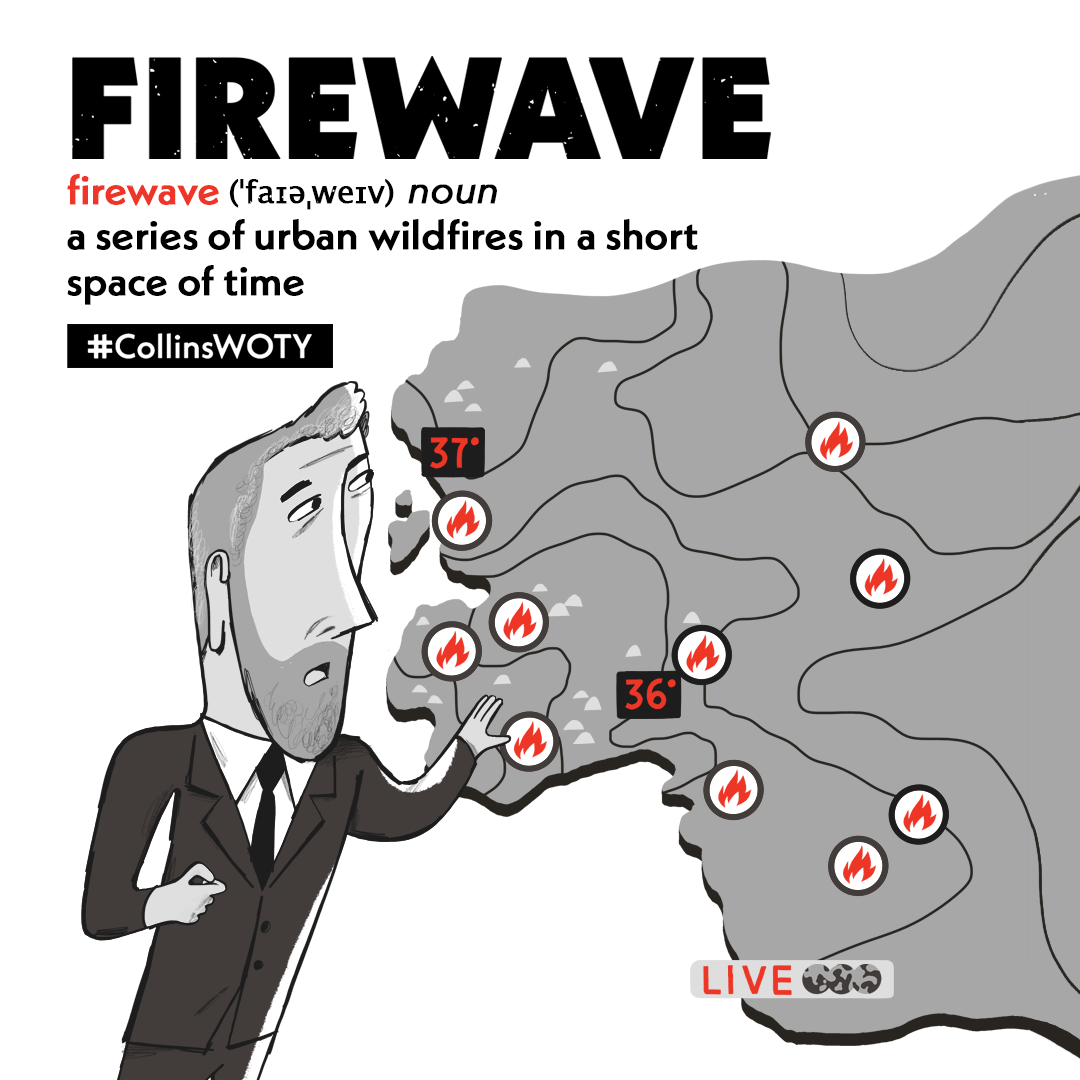
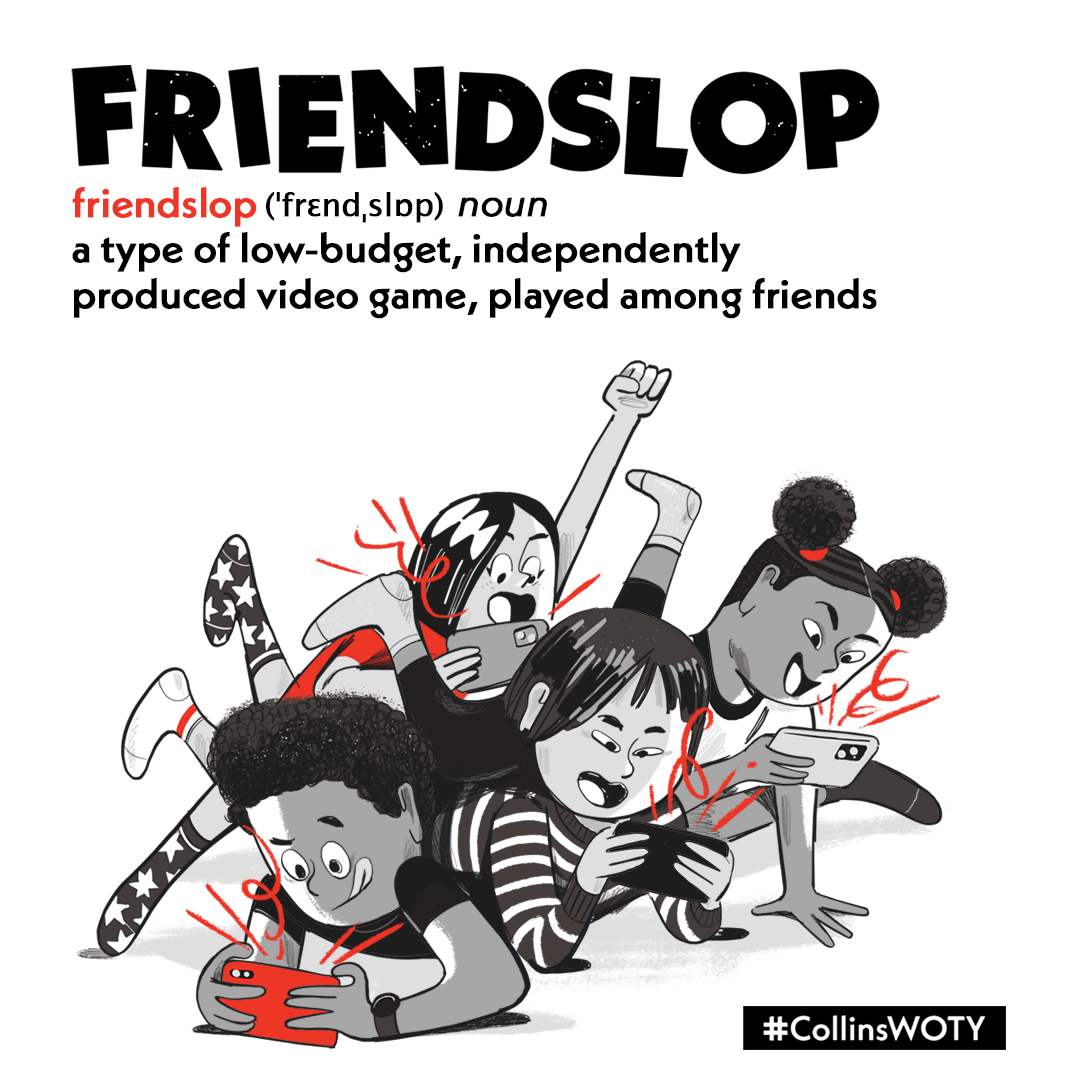
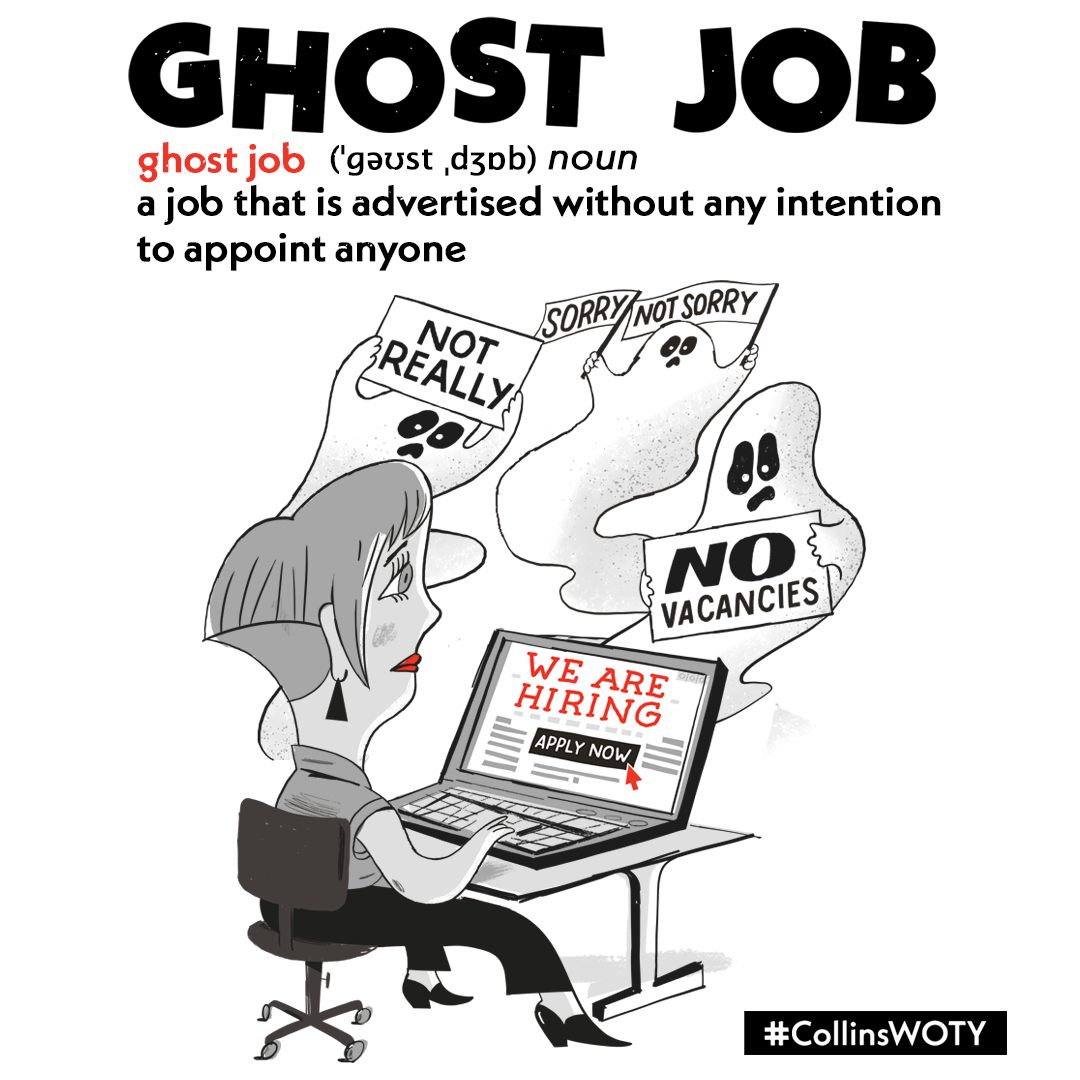
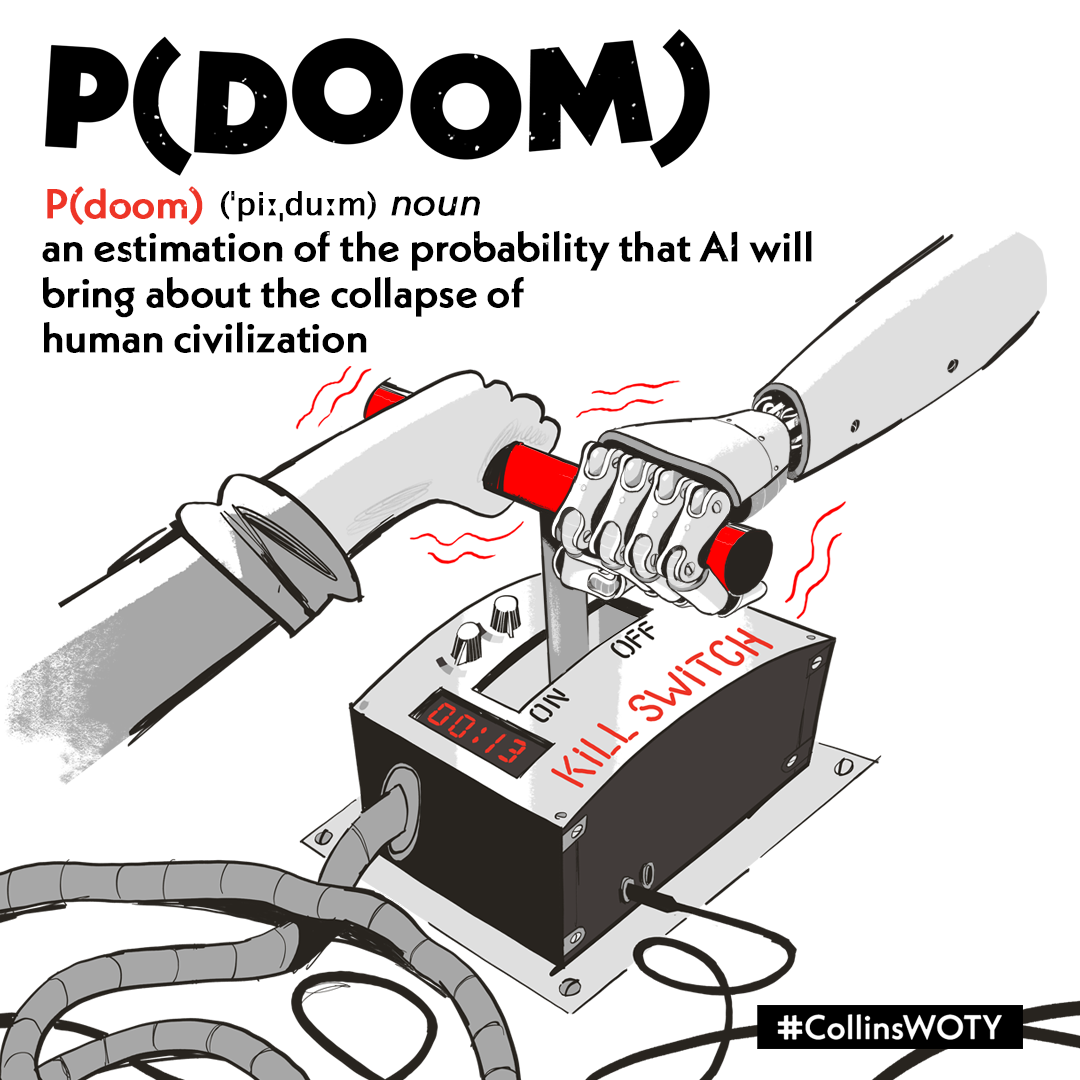
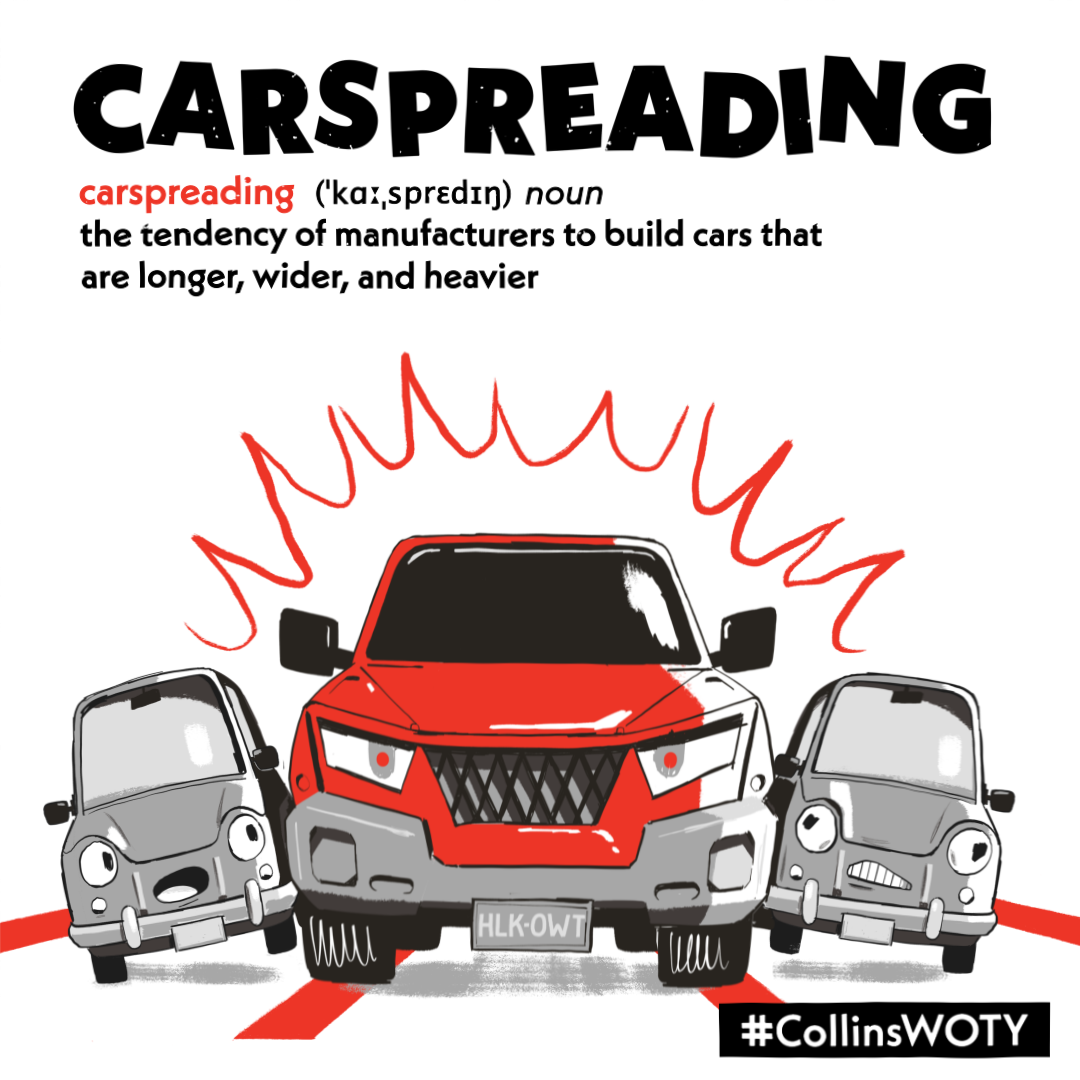
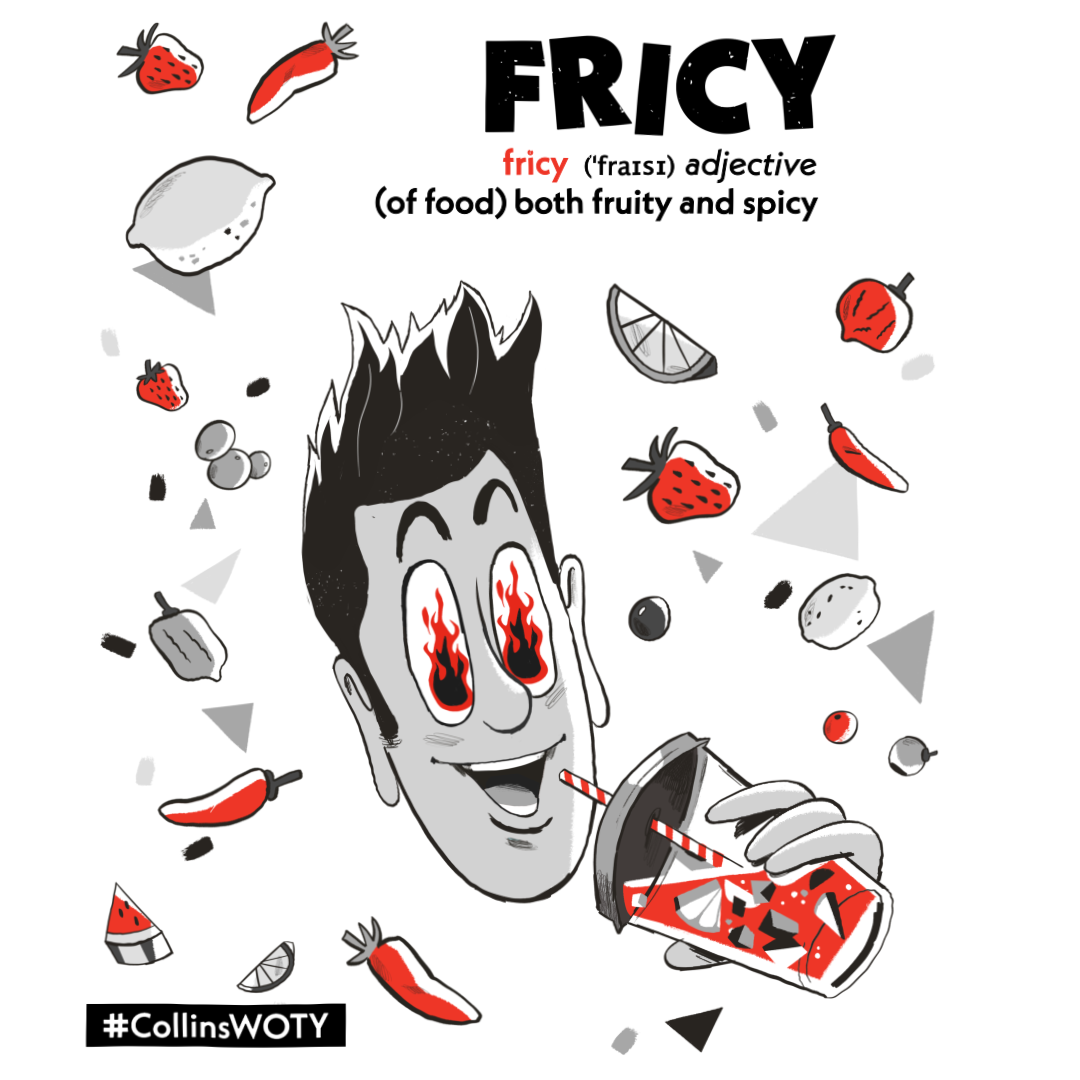
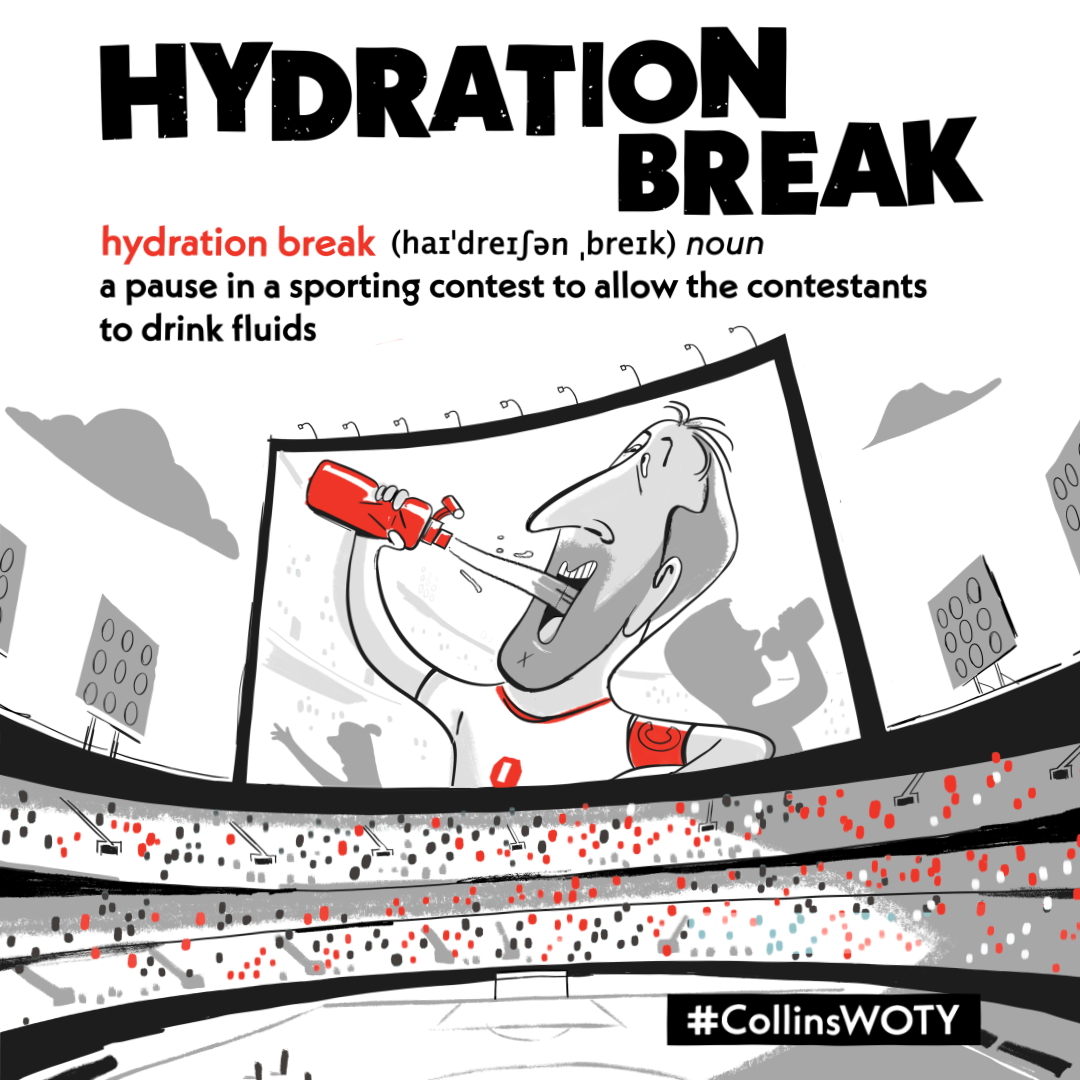
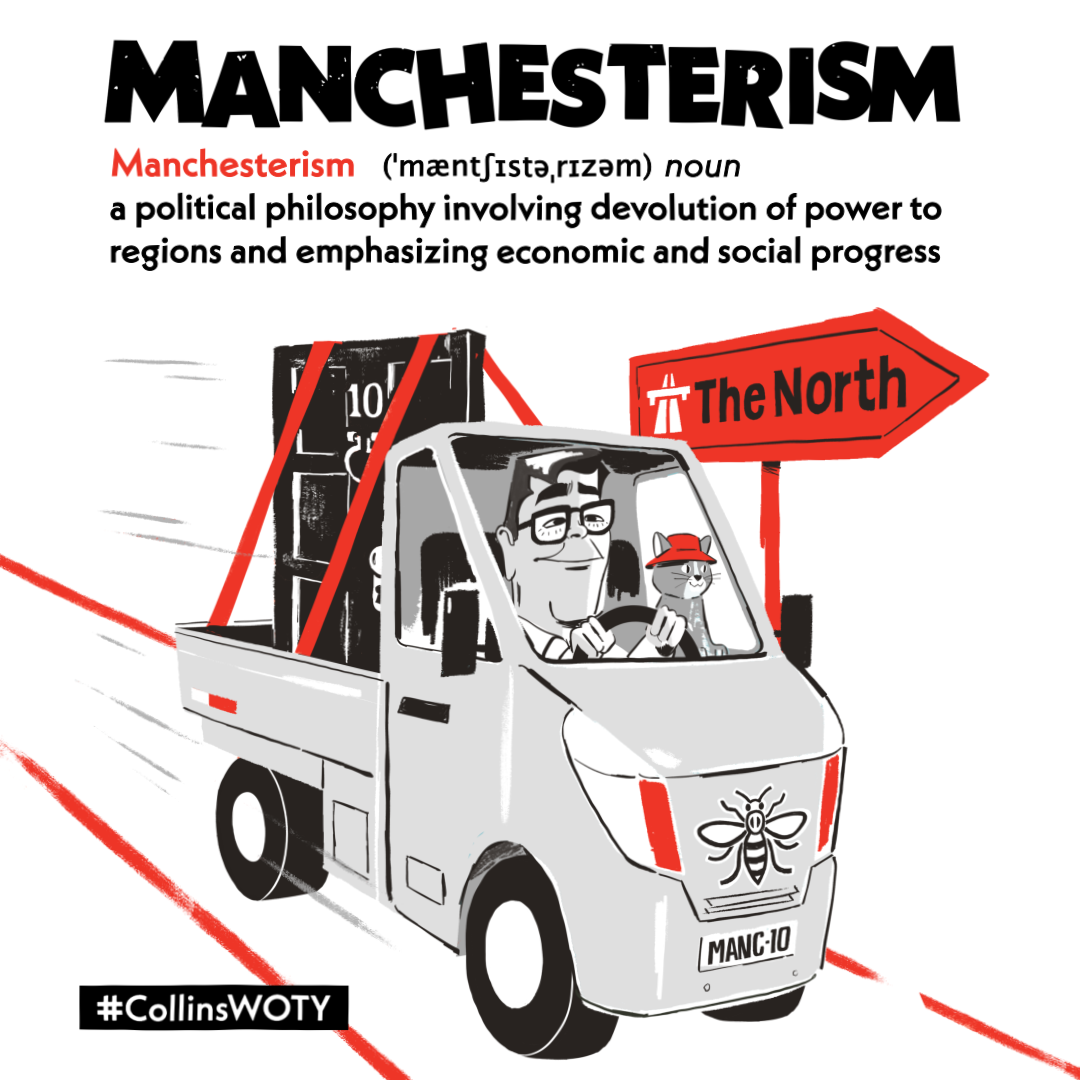
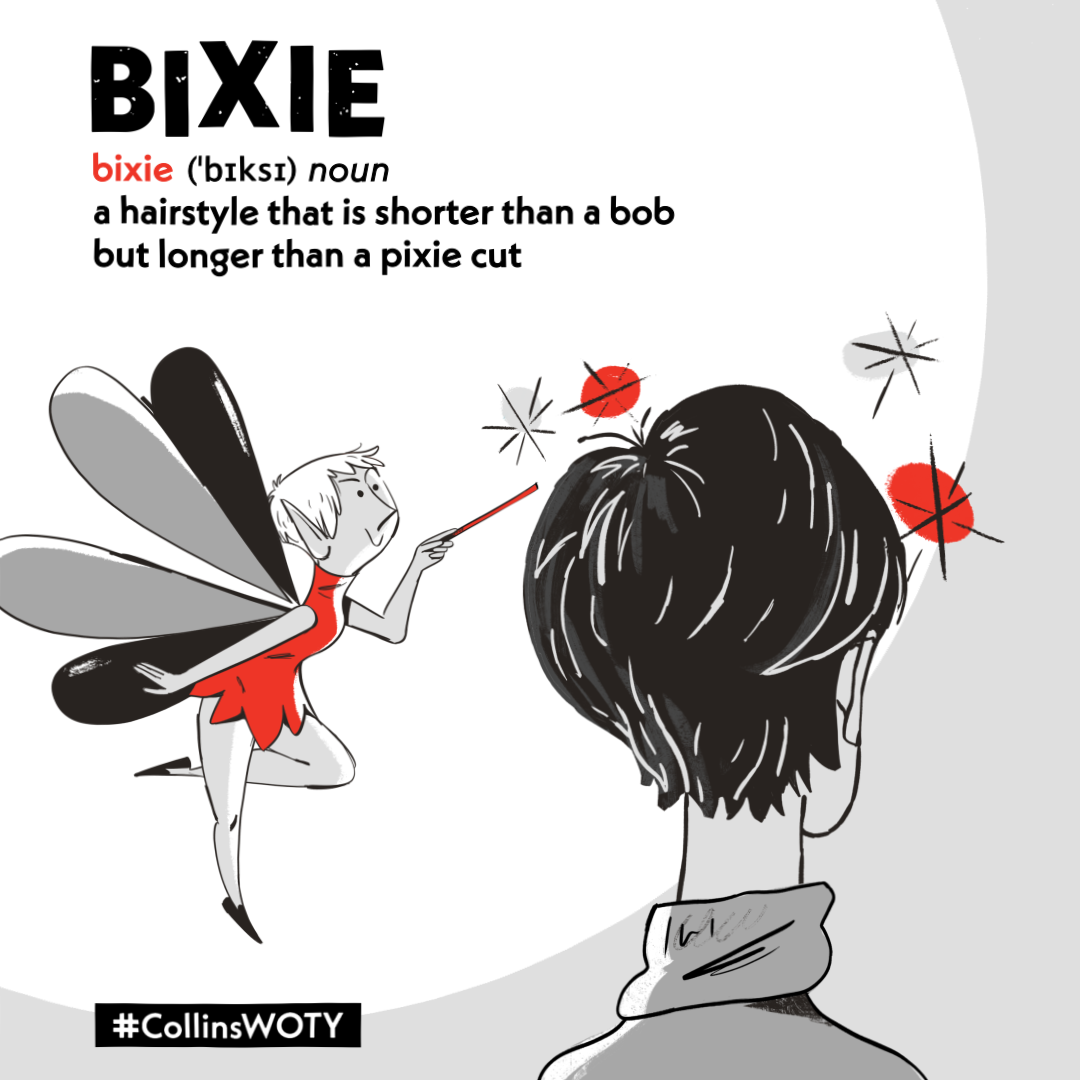
The Word of the Year is like a linguistic time capsule, perfectly capturing the passing of time. From the quirky to the serious, the playful to the profound, these words offer a fascinating glimpse into the way we’ve been thinking, feeling and communicating - and we’ve loved bringing them to life. Here’s a look back at the words that have captured the mood of the moment over the years…
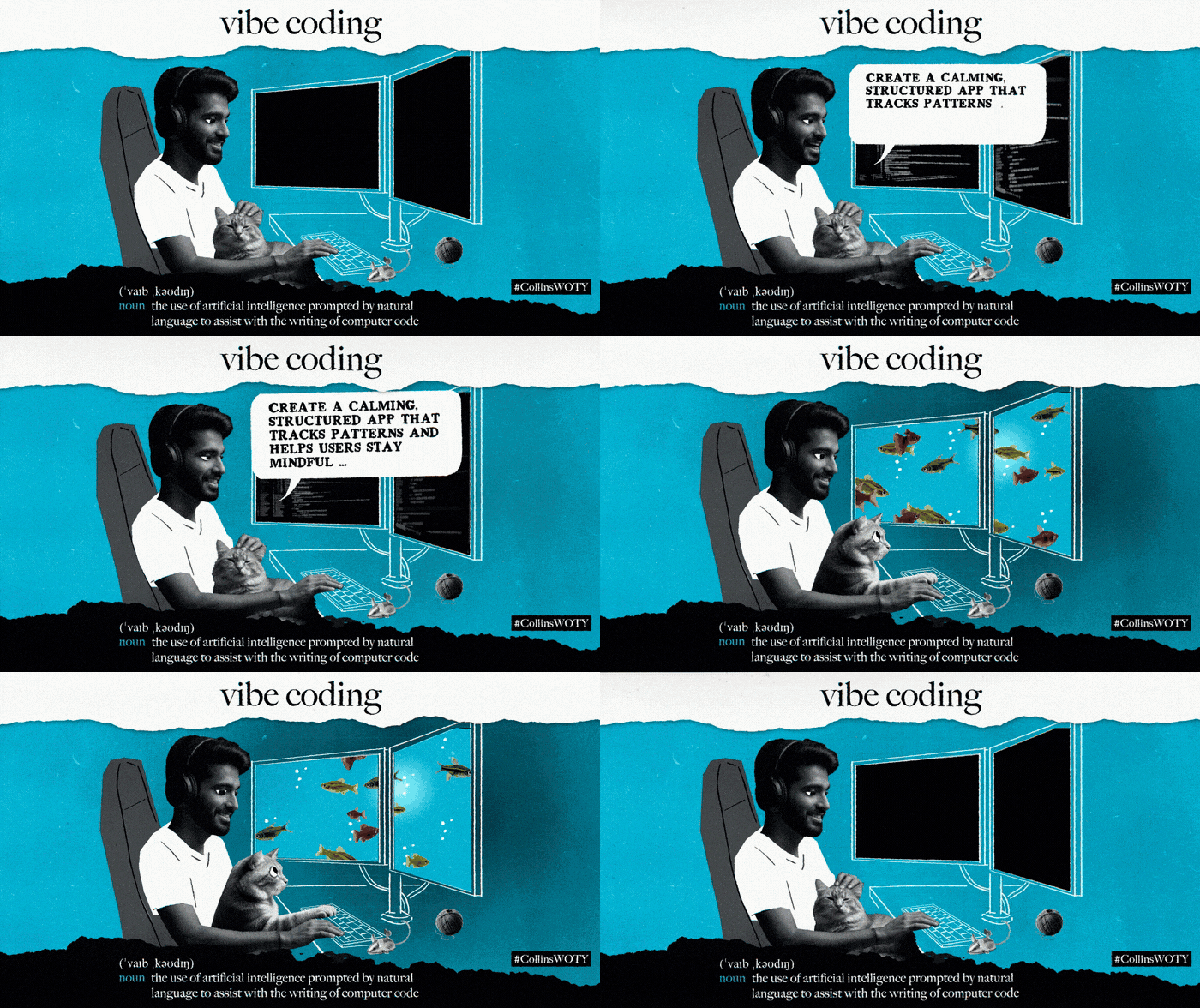
Coding by conversation. Vibe coding involves describing what you want to create in everyday language and letting AI turn those ideas into working code – a neat reflection of the growing relationship between creativity and technology.
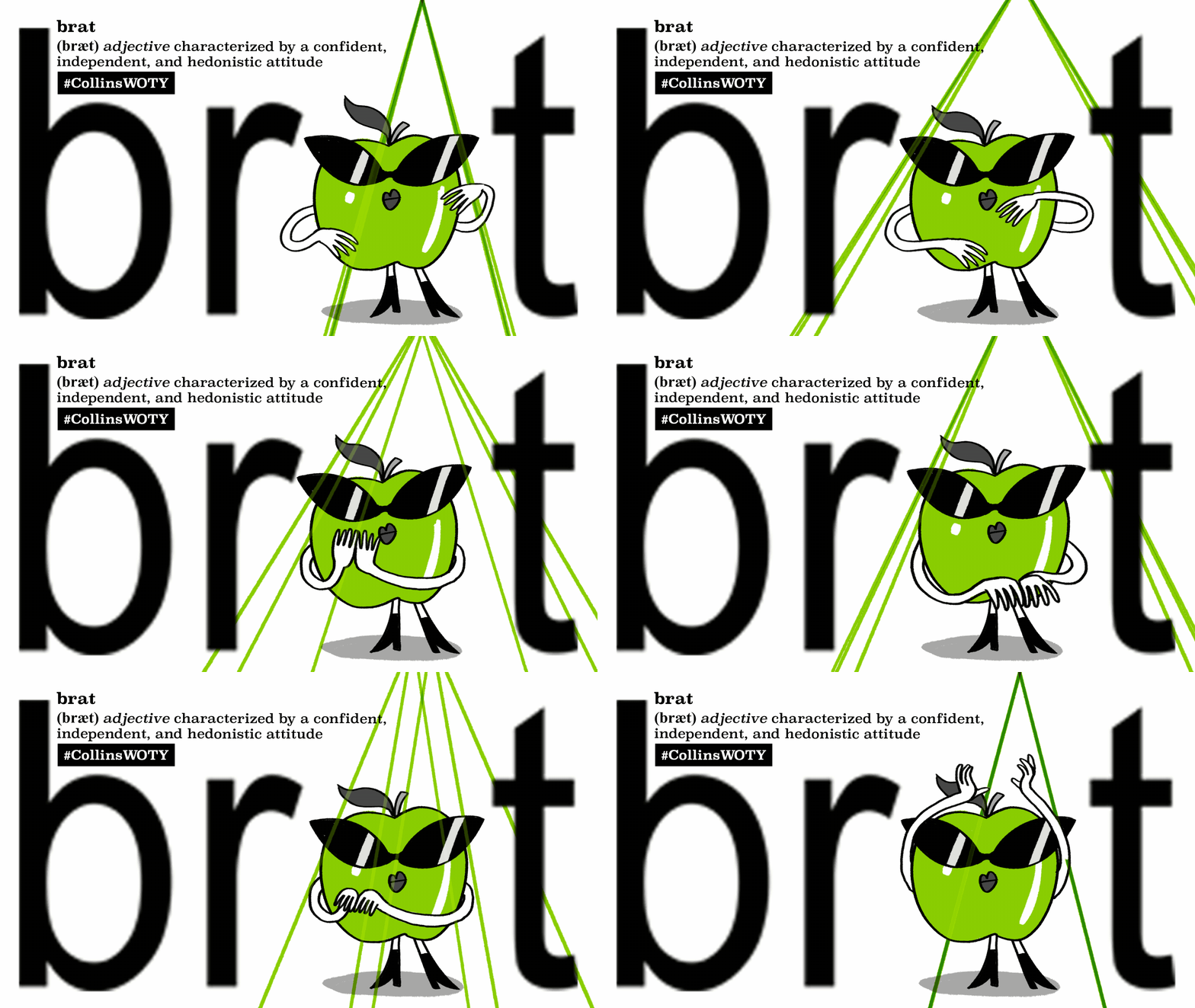
It was a very brat summer. Inspired by Charli XCX's hit album, 'brat' captured a confident, independent and unapologetically hedonistic attitude that became a cultural phenomenon.
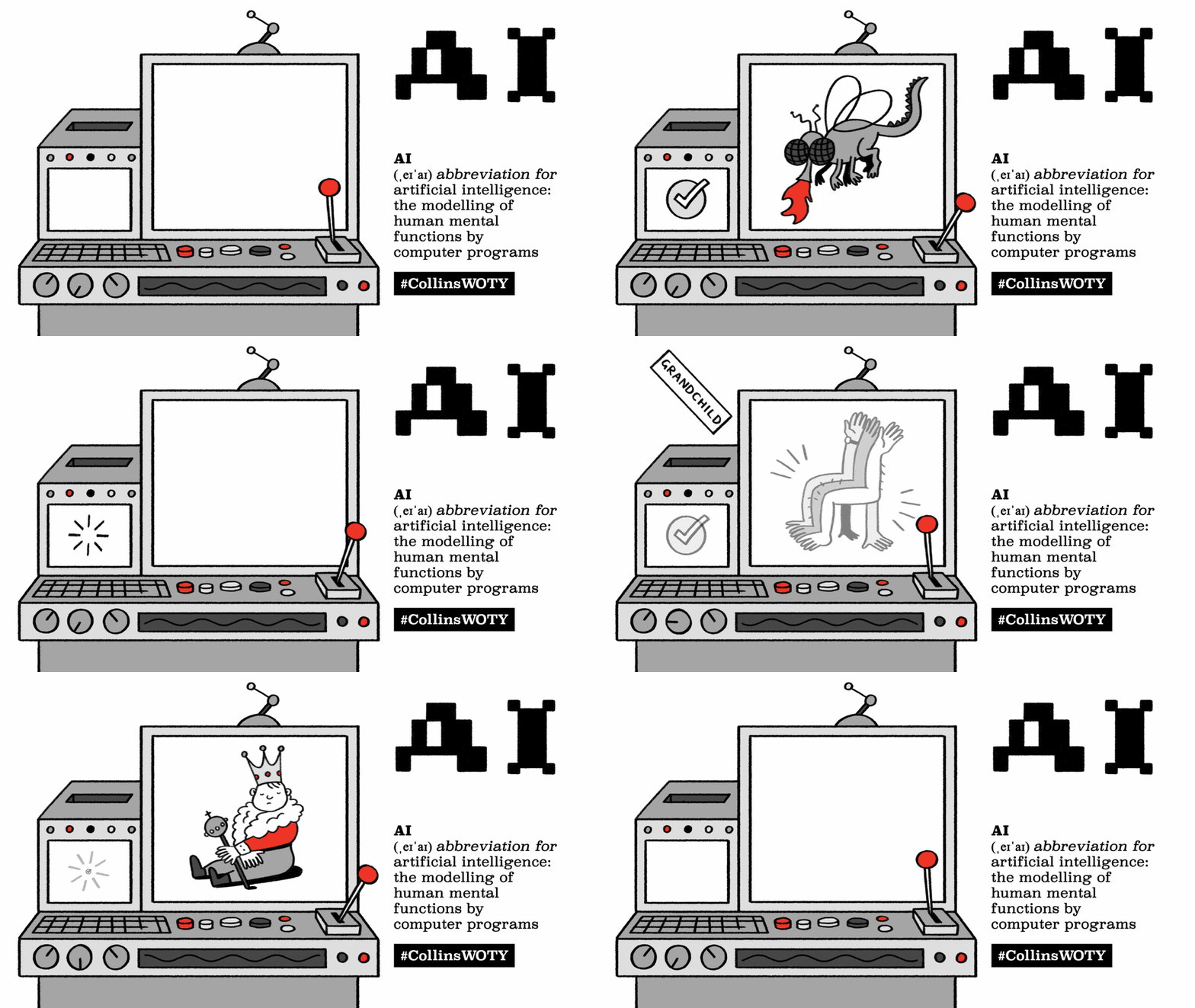
A word that needs little introduction. In a year when artificial intelligence became an even bigger part of everyday conversation, 'AI' took the top spot. It was also a milestone year for us, marking ten years as Collins' creative partner on the campaign.
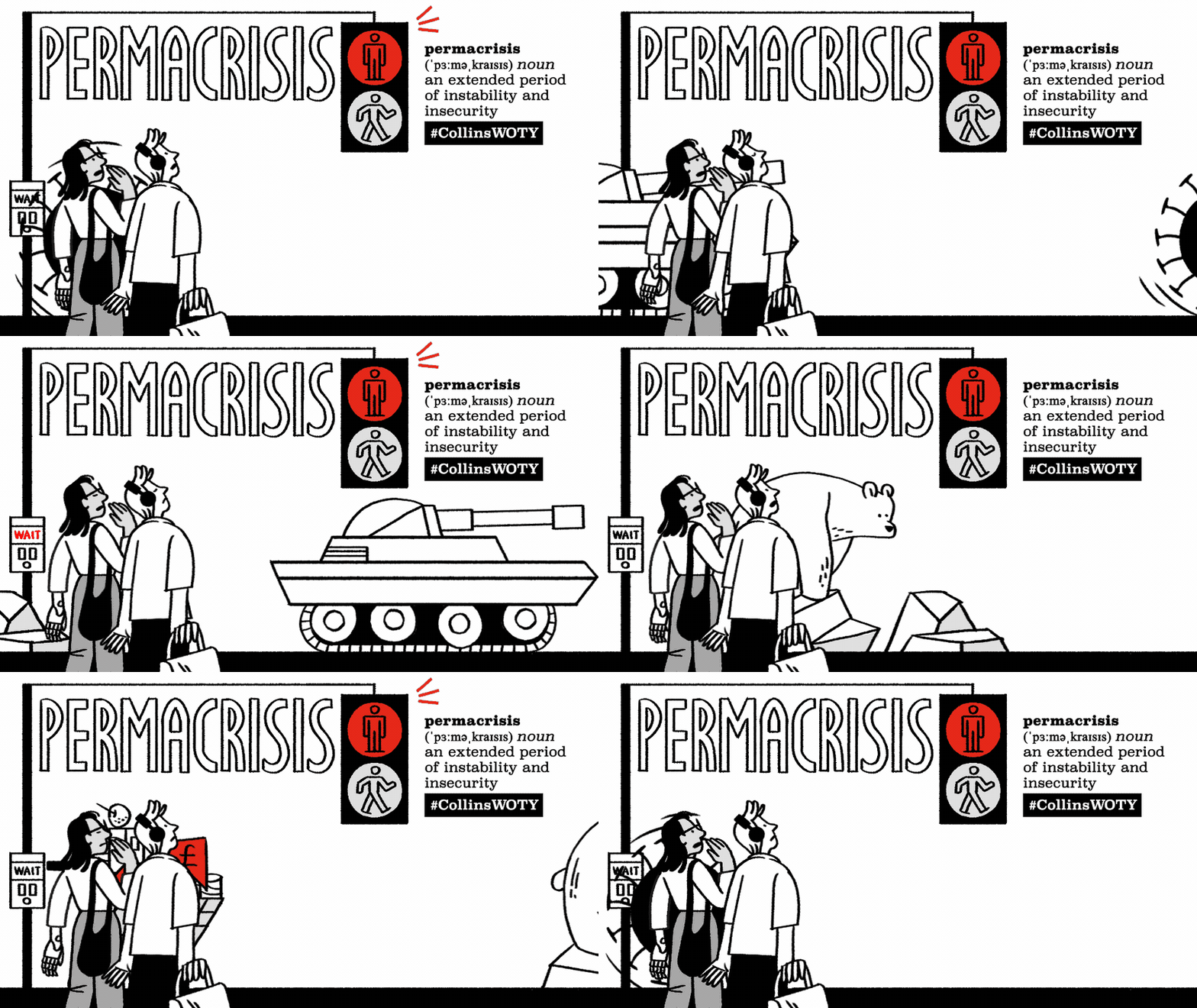
Perhaps the perfect word for the times, 'permacrisis' describes an extended period of instability and insecurity – a fitting reflection of a year marked by ongoing uncertainty.
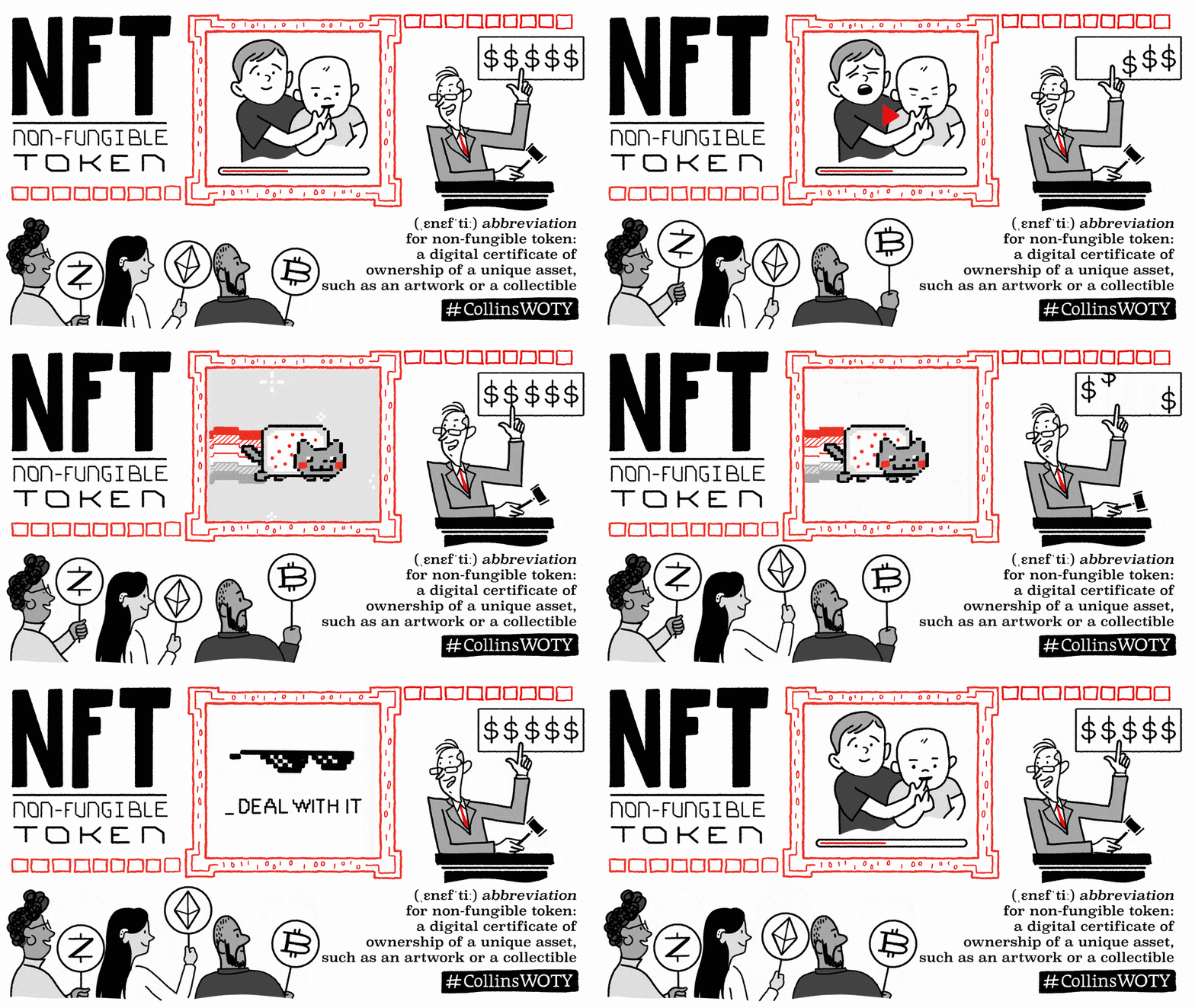
A welcome change from disaster-related words, 'NFT' (short for non-fungible token) reflected the growing interest in digital ownership and the emerging world of crypto and blockchain.
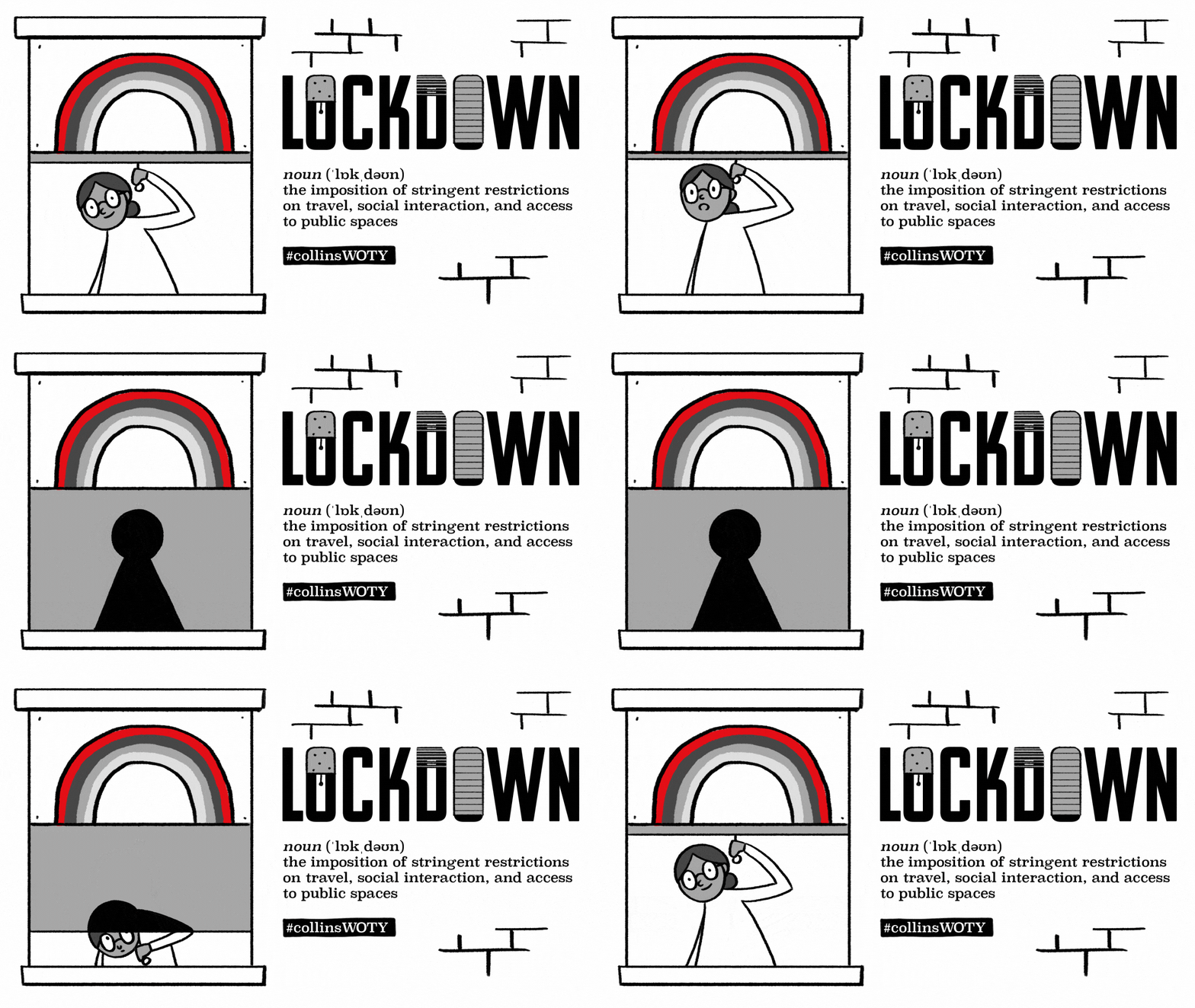
Few words could sum up 2020 quite so completely. 'Lockdown' captured the restrictions and upheaval that turned everyday life upside down around the world.
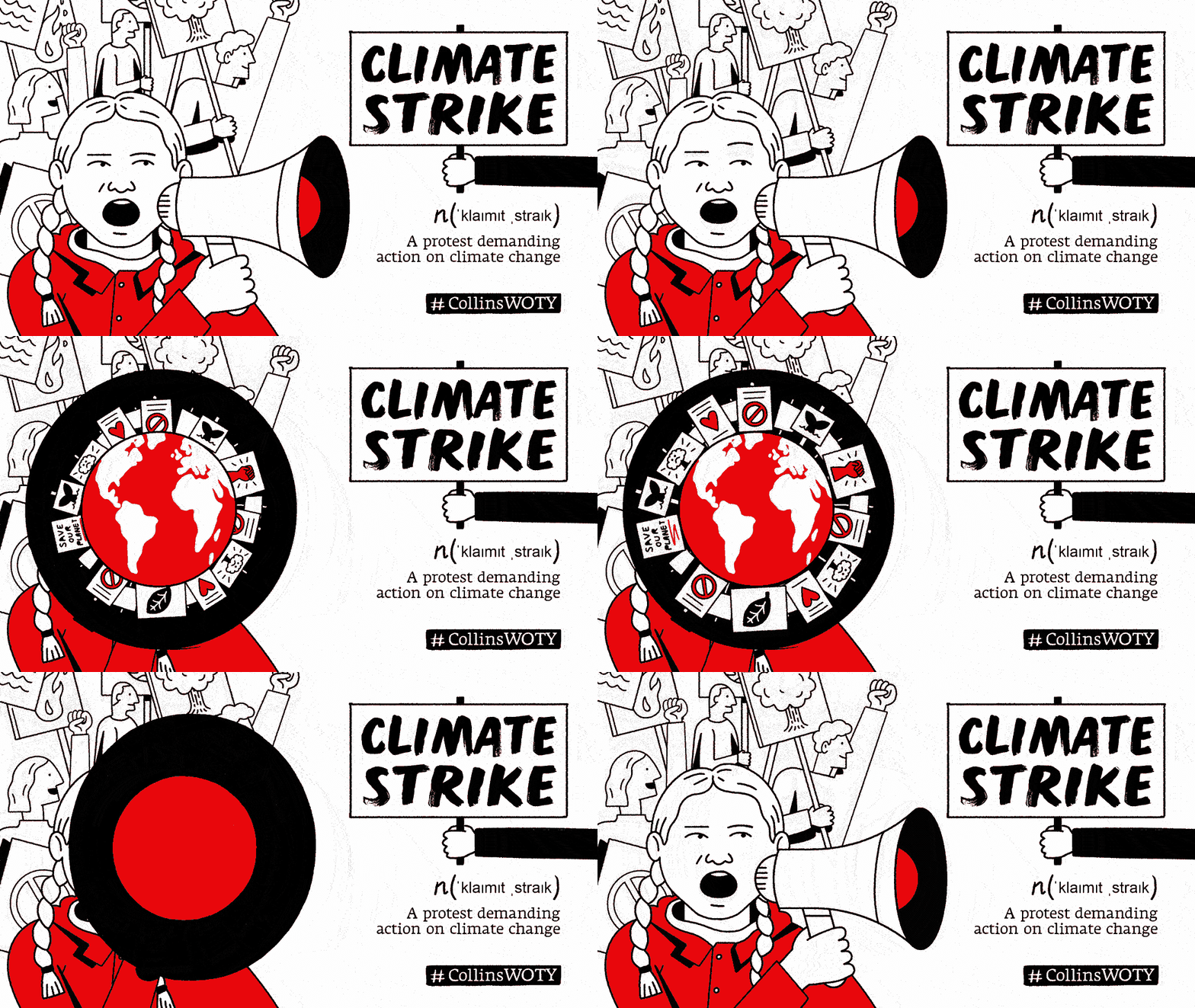
From school strikes to global demonstrations, 'climate strike' reflected the growing movement calling for action on climate change, inspired in part by the activism of Greta Thunberg.
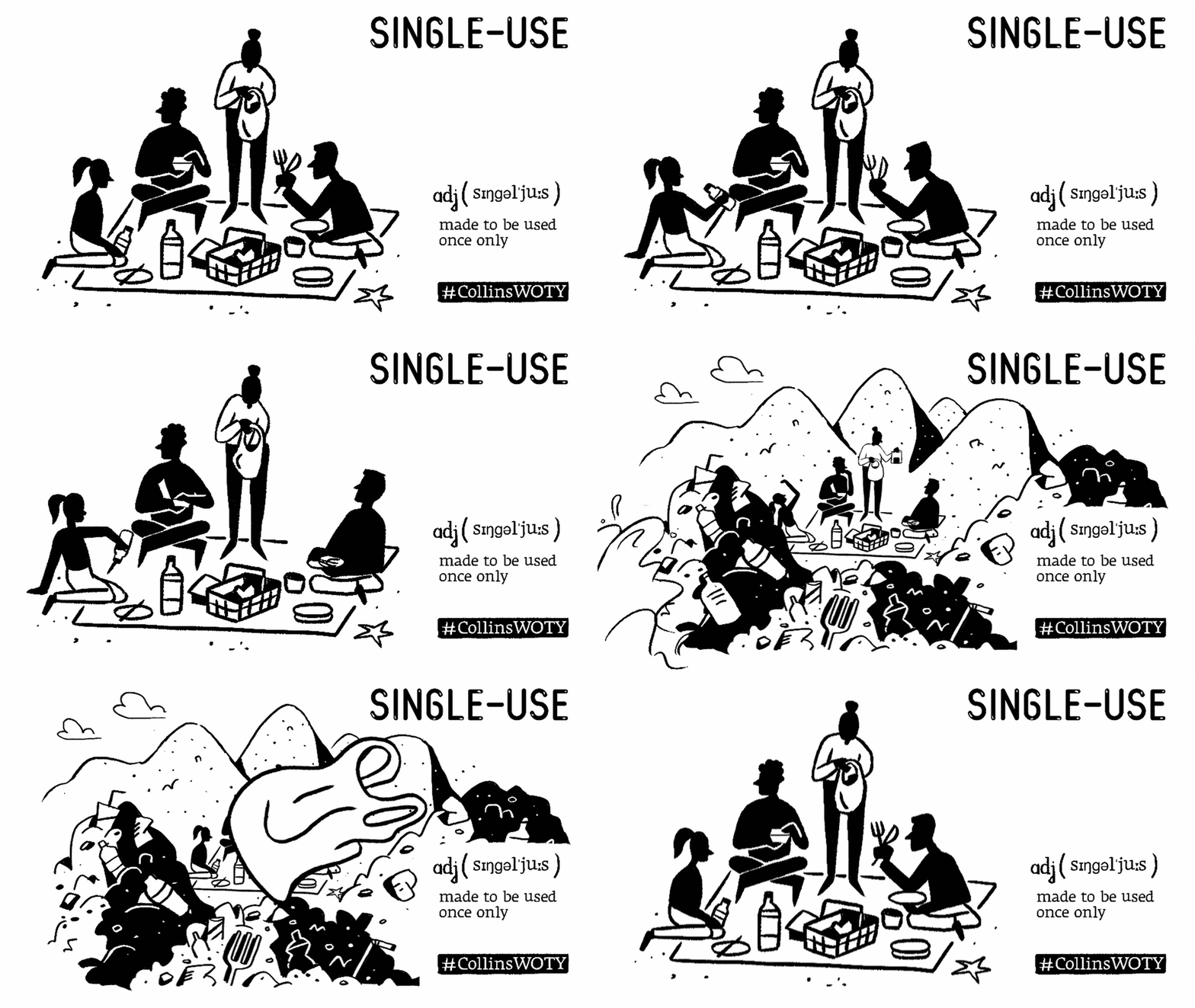
A growing awareness of throwaway culture put 'single-use' in the spotlight, reflecting changing attitudes towards waste, plastic and our environmental impact.
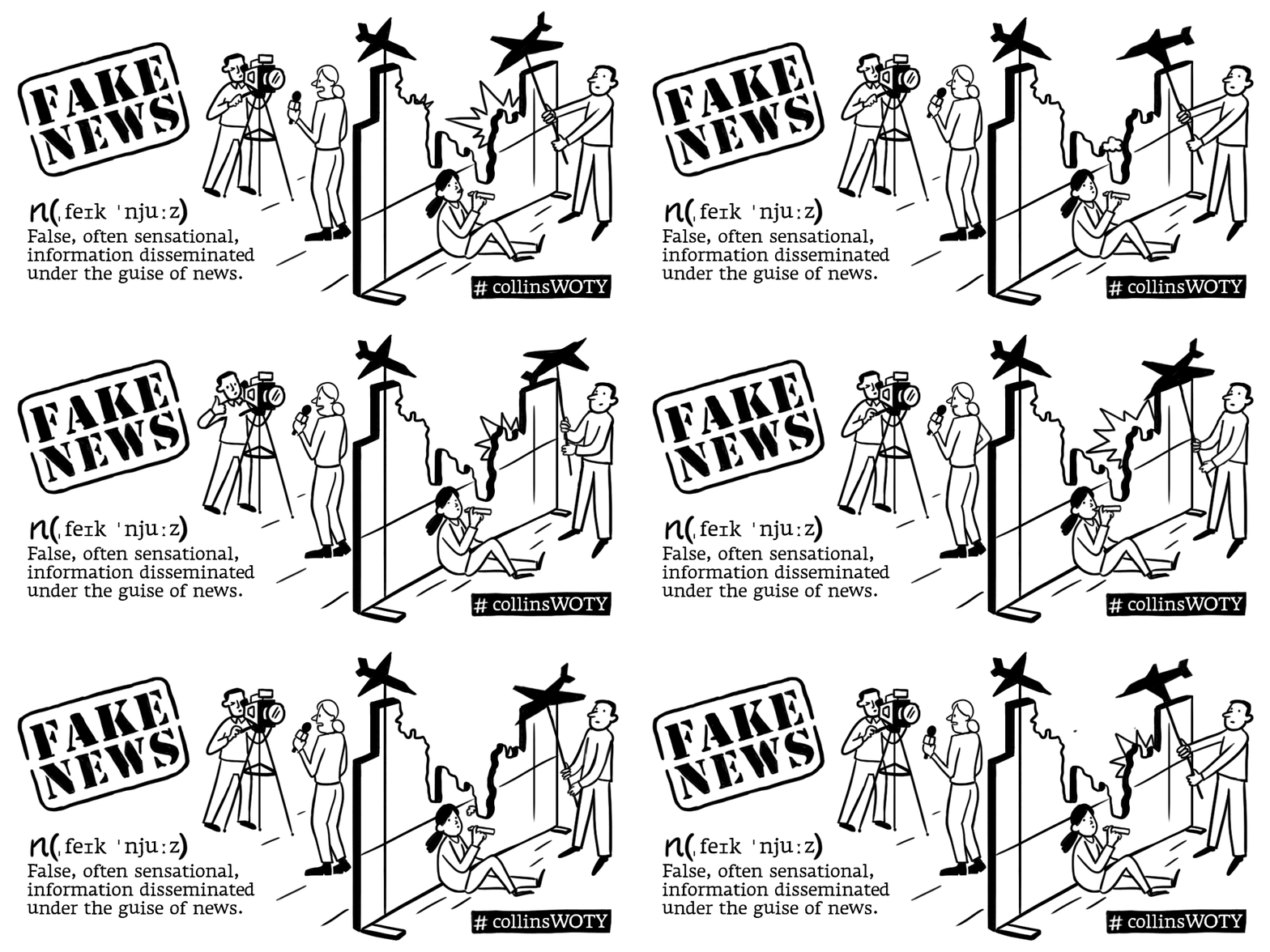
In a year dominated by misinformation and heated debates about truth and trust, 'fake news' captured growing concerns around misleading stories and the media.
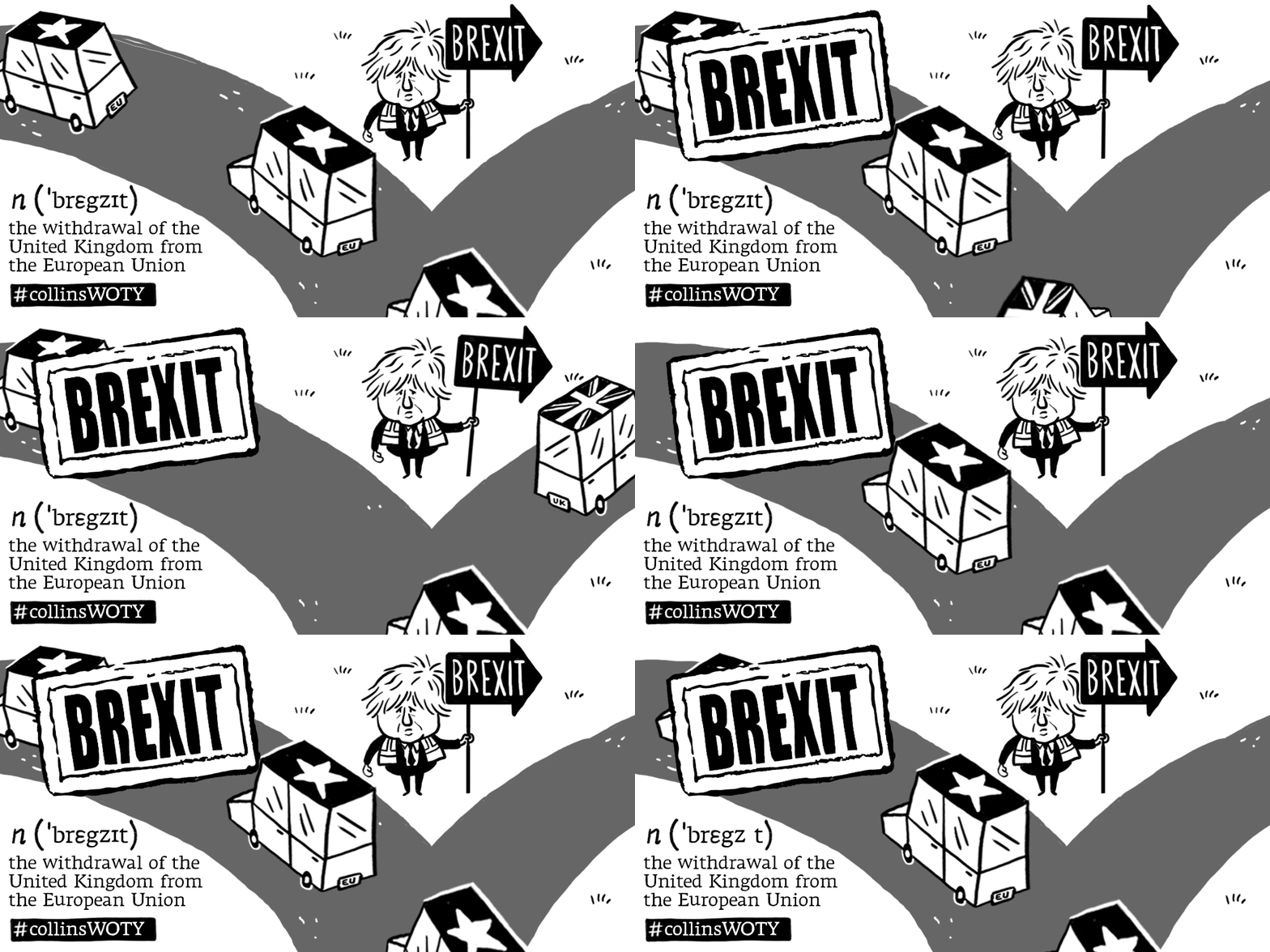
One word that dominated conversations across the UK and beyond. 'Brexit' captured the political, economic and social debate surrounding Britain's decision to leave the European Union.
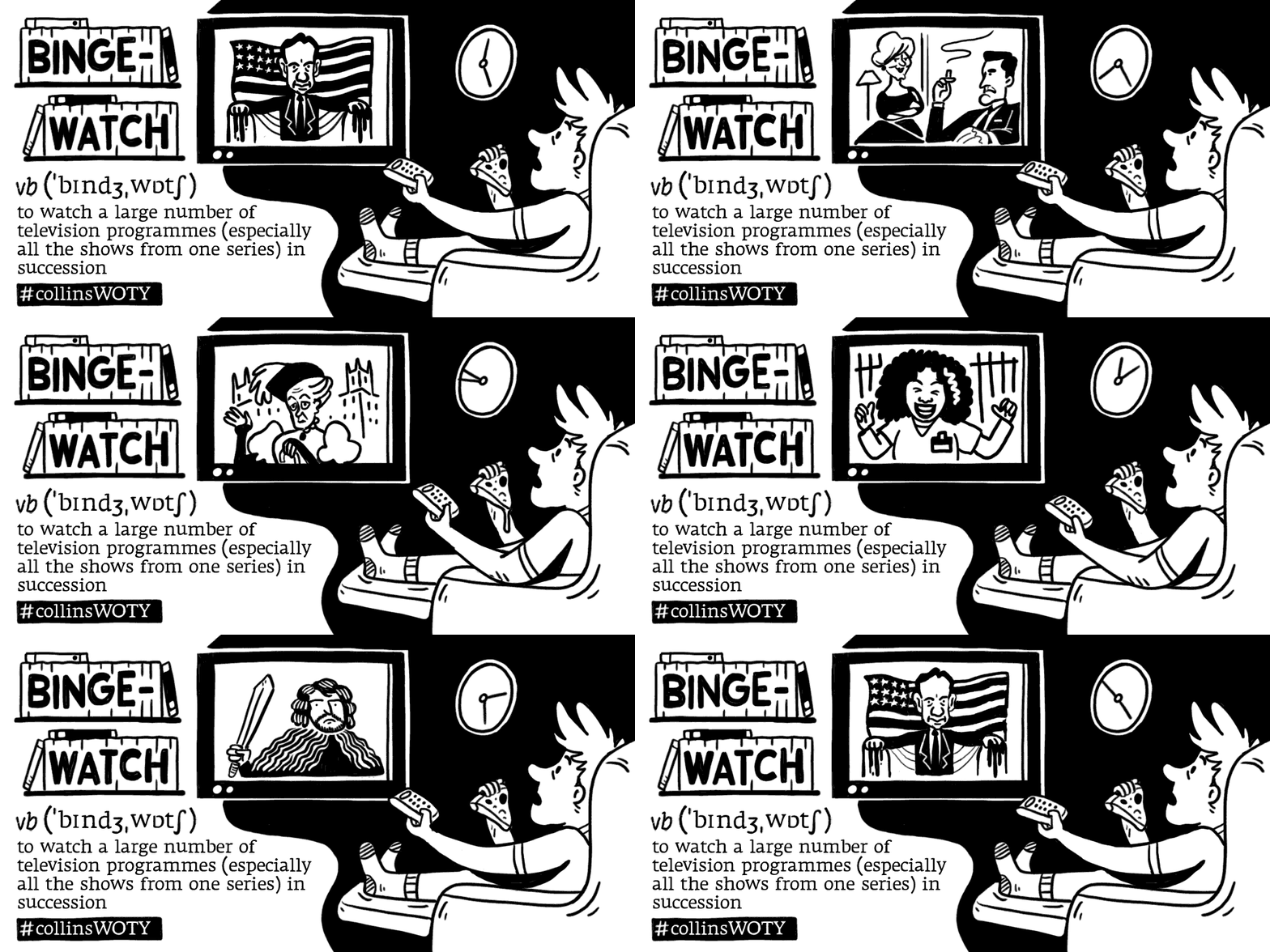
As streaming changed the way we watched television, 'binge-watch' gave a name to the increasingly familiar habit of watching episode after episode in one sitting.
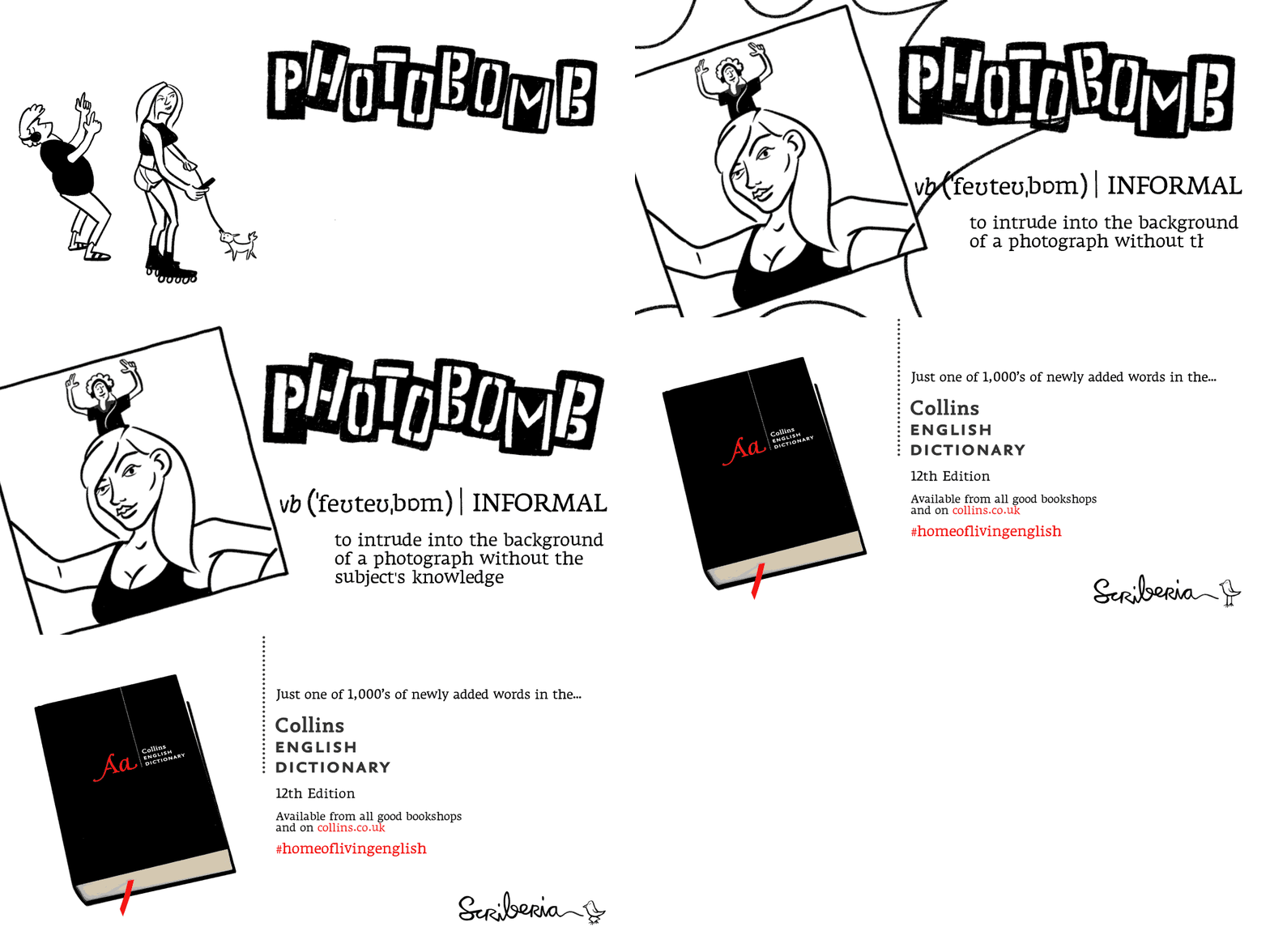
A playful addition to the dictionary spotlight, 'photobomb' captured the social-media age's love of unexpected appearances and people sneaking into someone else's photo.

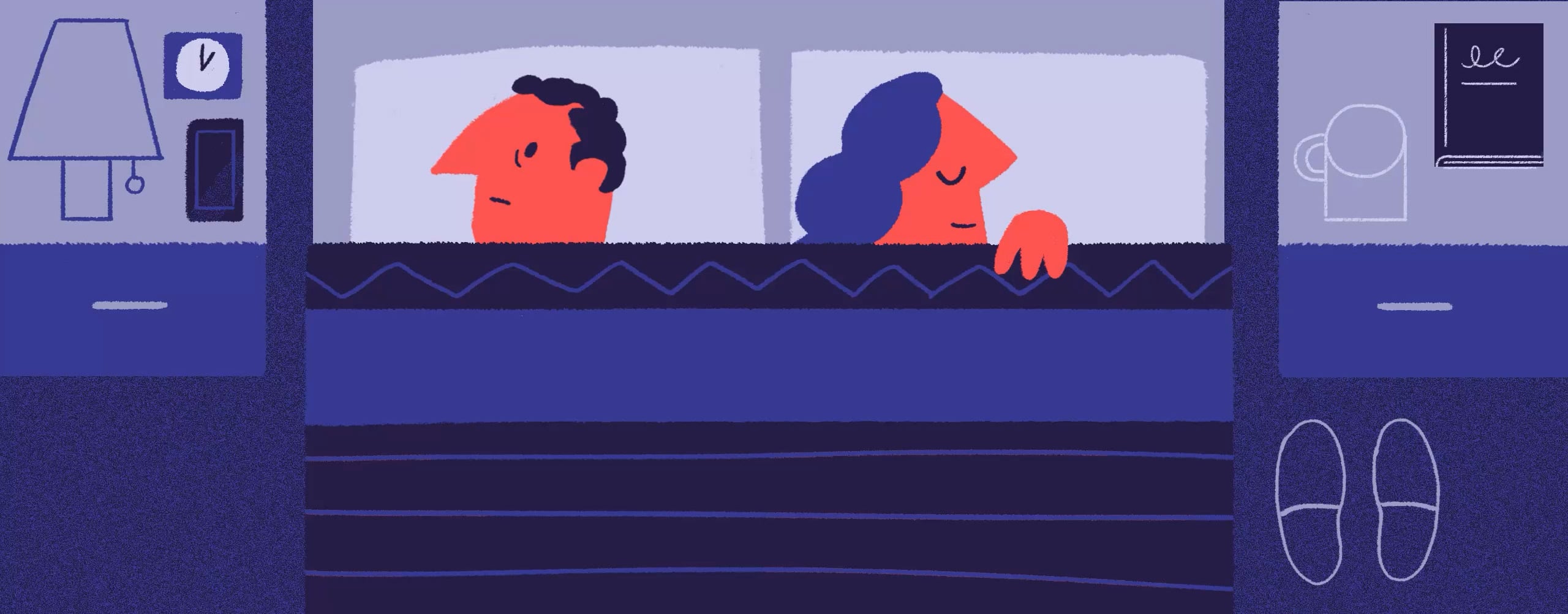
Scriberia helped Oxford sleep expert Professor Colin Espie turn 45 years of research into an engaging animation, reaching millions through BBC Breakfast.
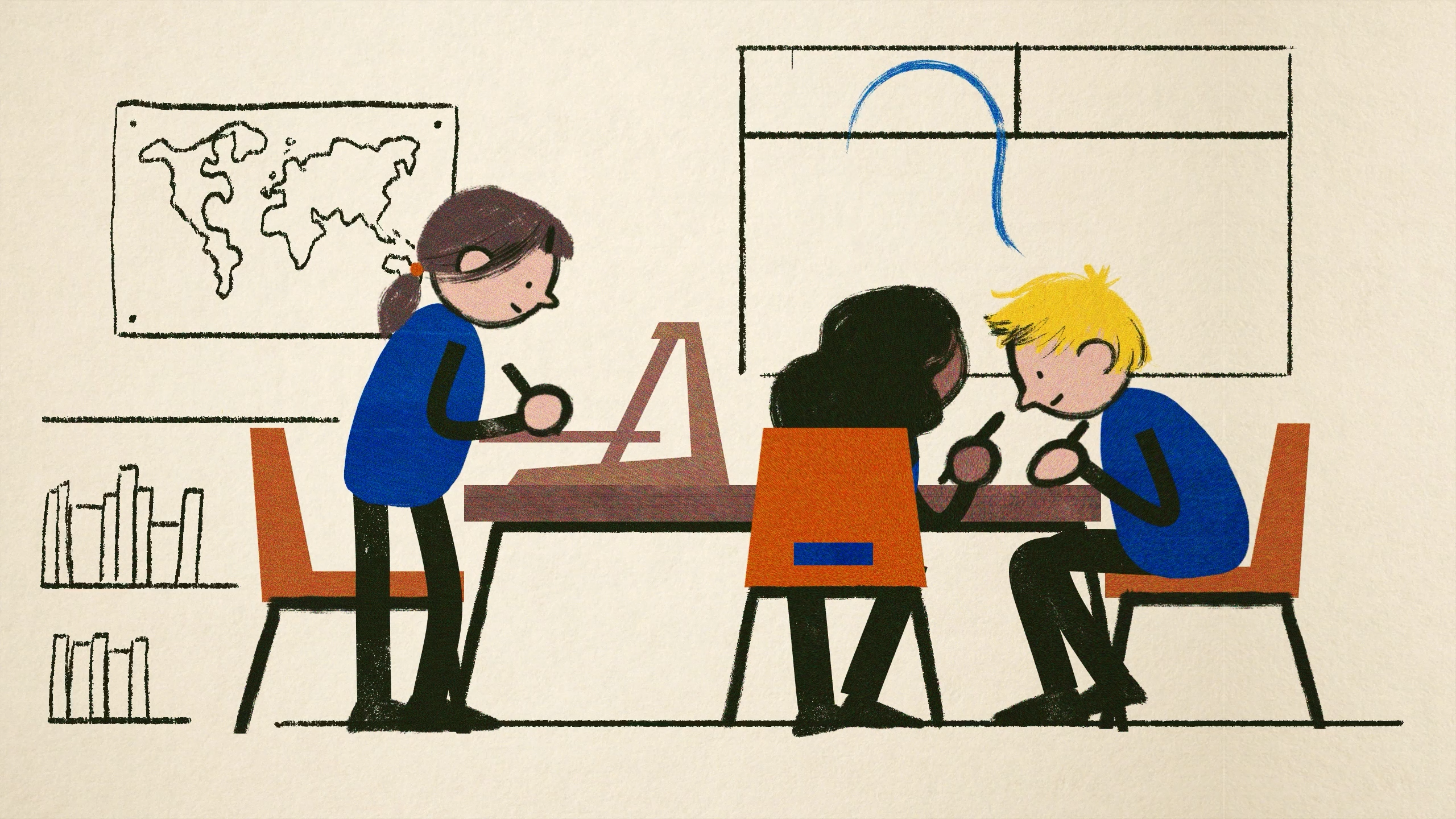
Poor communication costs billions. Scriberia’s Dan Porter explores the hidden price of misalignment — and how visual thinking helps teams stay clear and connected.
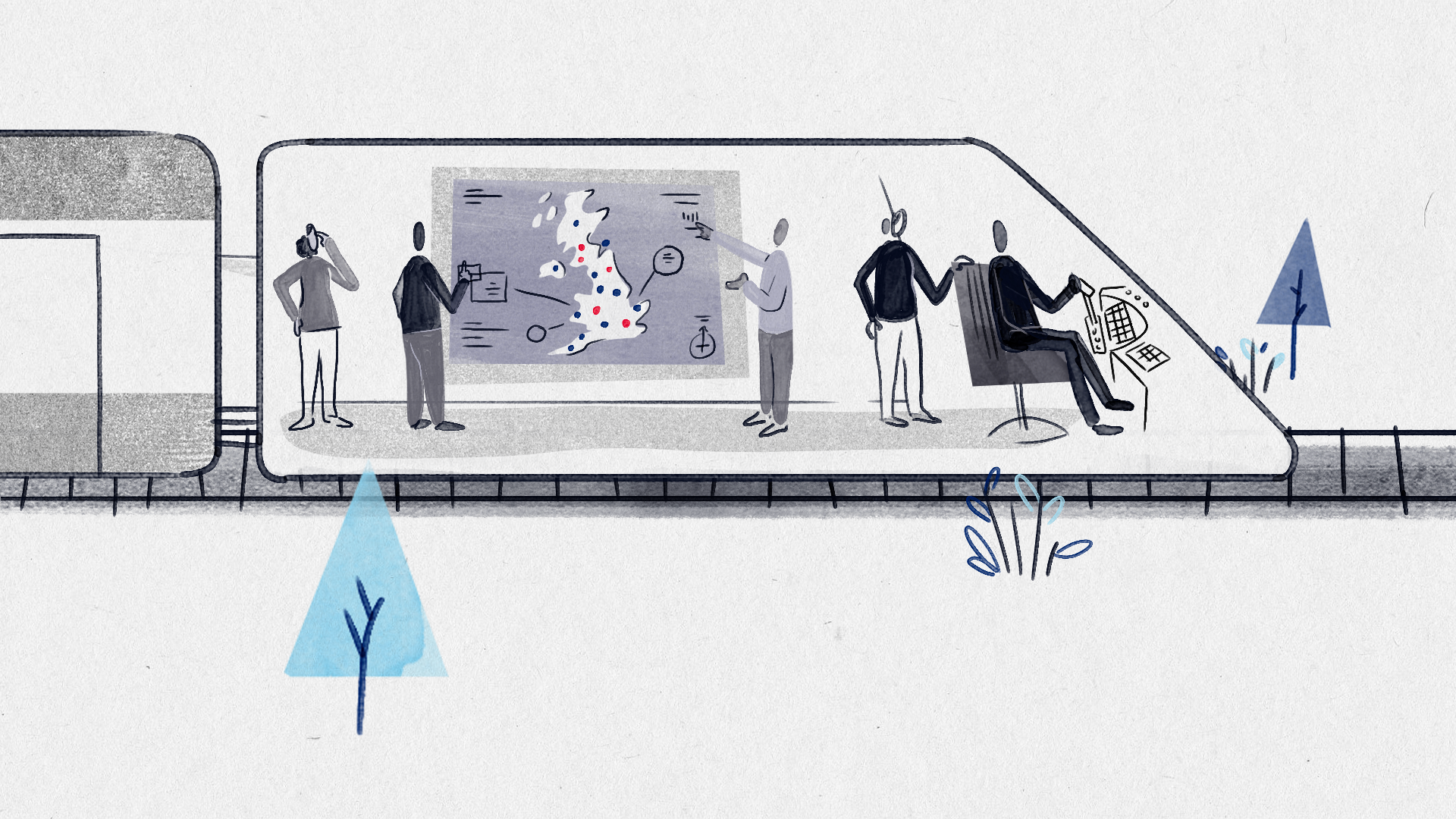
Scriberia created an animated campaign for Fairer Share, helping explain their call for a fairer property tax system and boosting public engagement.