
A new way to support neurodivergent children
Poor communication costs billions. Scriberia’s Dan Porter explores the hidden price of misalignment — and how visual thinking helps teams stay clear and connected.
Sleep is essential to our health and everyday lives, yet millions of people struggle to get the rest they need. And while there's no shortage of advice about sleep, much of it can leave people thinking about sleep even more – tracking it, timing it and trying to optimise it.
Colin wanted to offer a different perspective. Drawing on his work, he distilled the "secret" of good sleep down to five simple principles.
The challenge was how to communicate those ideas to the public in a way that felt engaging rather than instructional. For Colin, that kind of public engagement isn't something to think about at the end of a research project but something researchers should consider from the outset.
As Colin explains, "A central component nowadays to getting research funding in the first place is to have a dissemination plan. This has to be part of the application process. How are you going to engage patients and the public in this?"
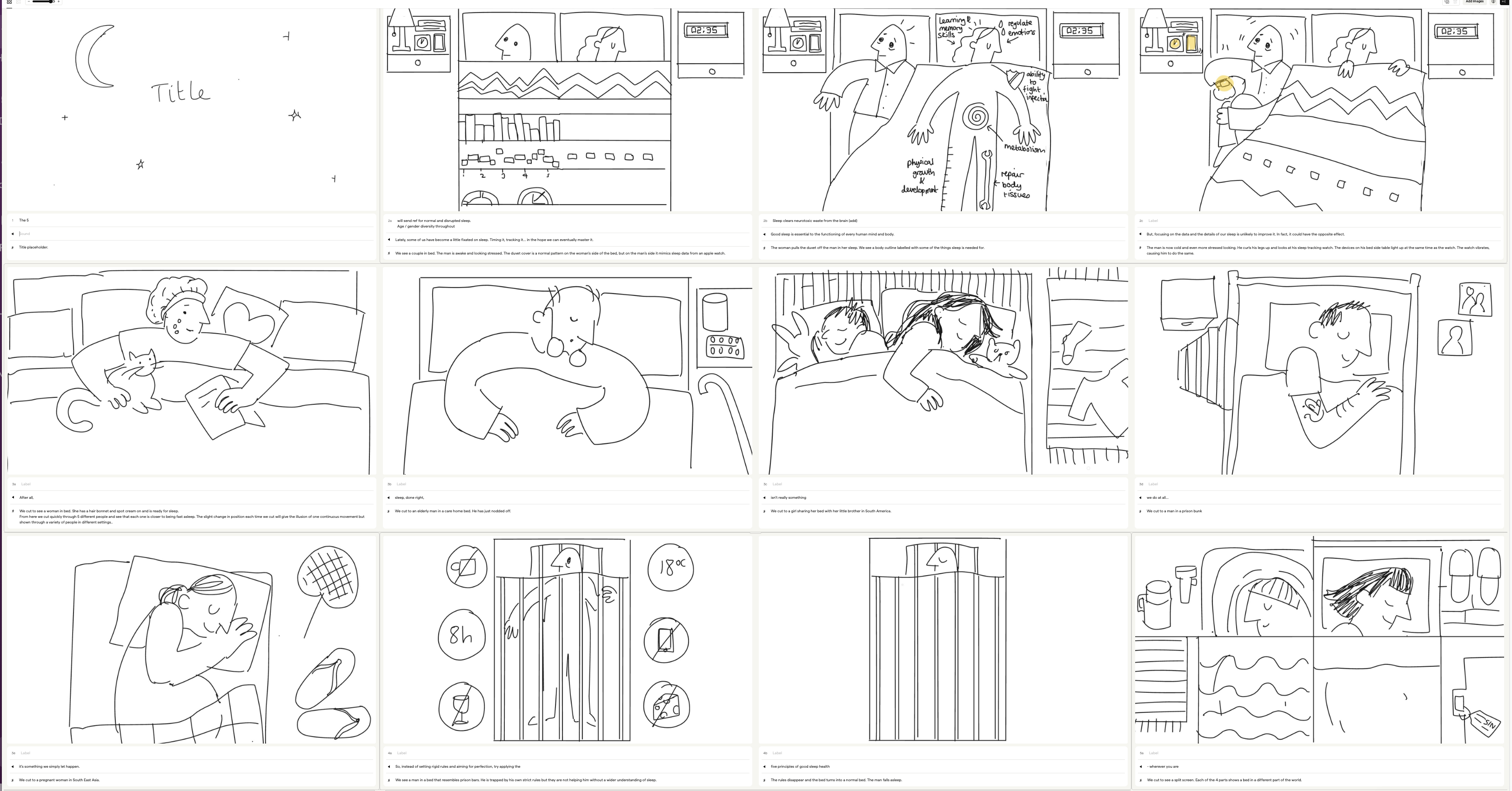
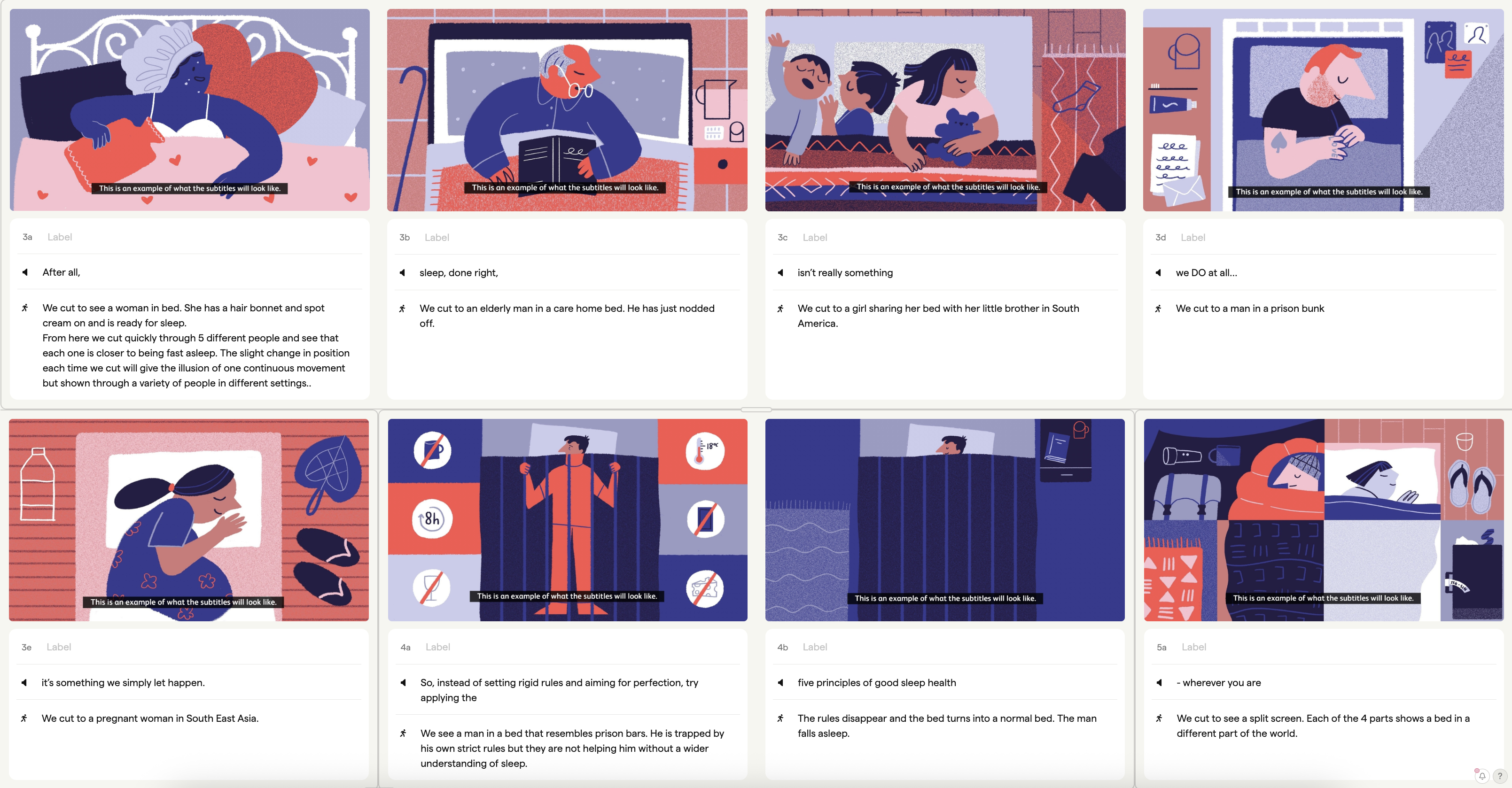
We worked with Colin to turn his five principles into an animated story. Rather than presenting a list of sleep tips, the animation explores a different way of thinking about sleep – not as something to perfect, but as something fundamental to our health and wellbeing.
Animation made the principles visual and easy to follow, without overwhelming the audience with information.
You're trying to make serious points, but it's also interesting, and you're sharing something interesting with people. And it's okay to make it a little bit quirky in places, and it's okay to make it a little bit different, a little bit left field at times.
Professor Colin Espie, University of Oxford
With a voiceover from actor and comedian Sacha Baron Cohen, the finished animation had plenty of character – and, importantly, a format that could travel far beyond an academic audience.
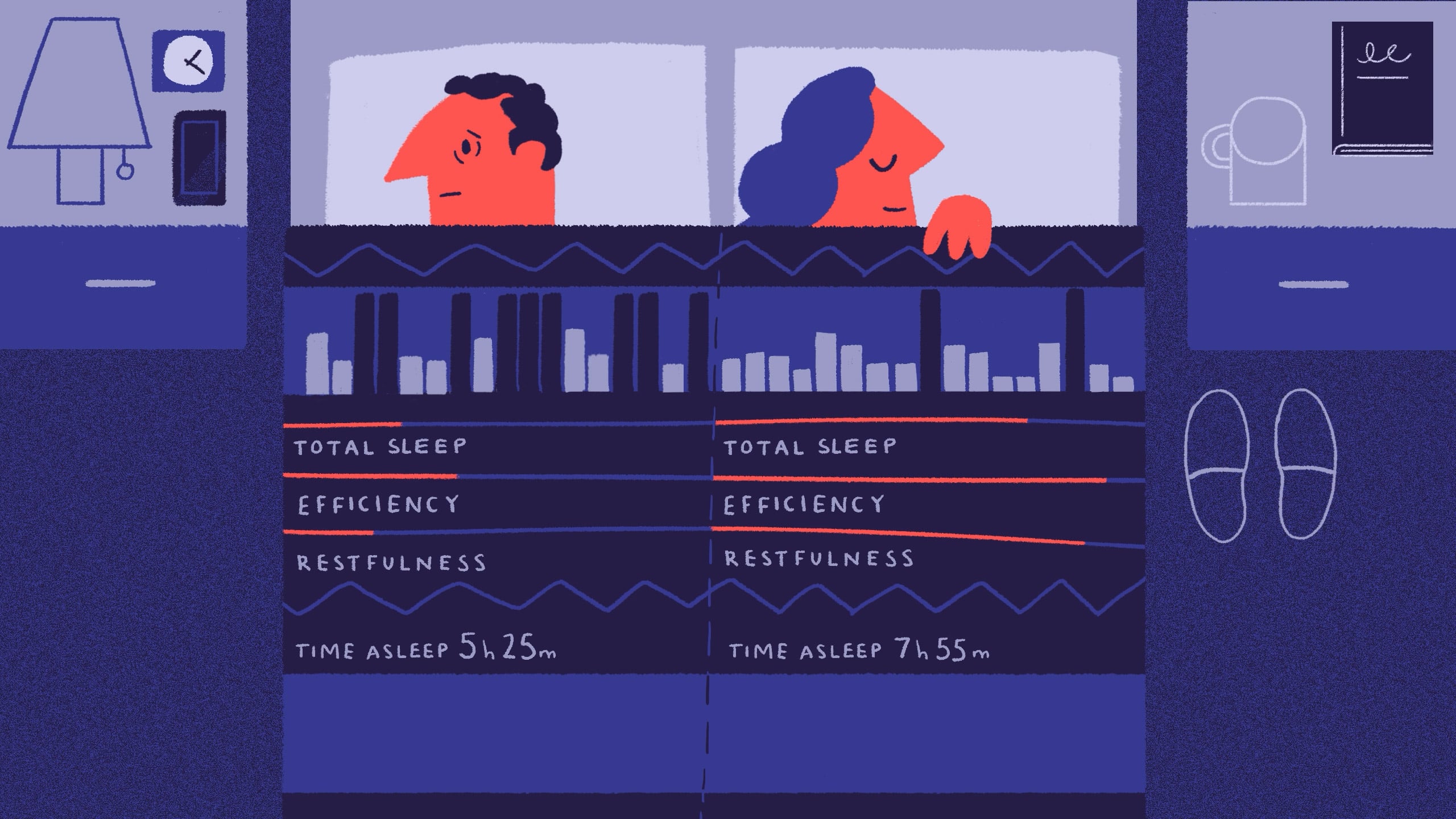
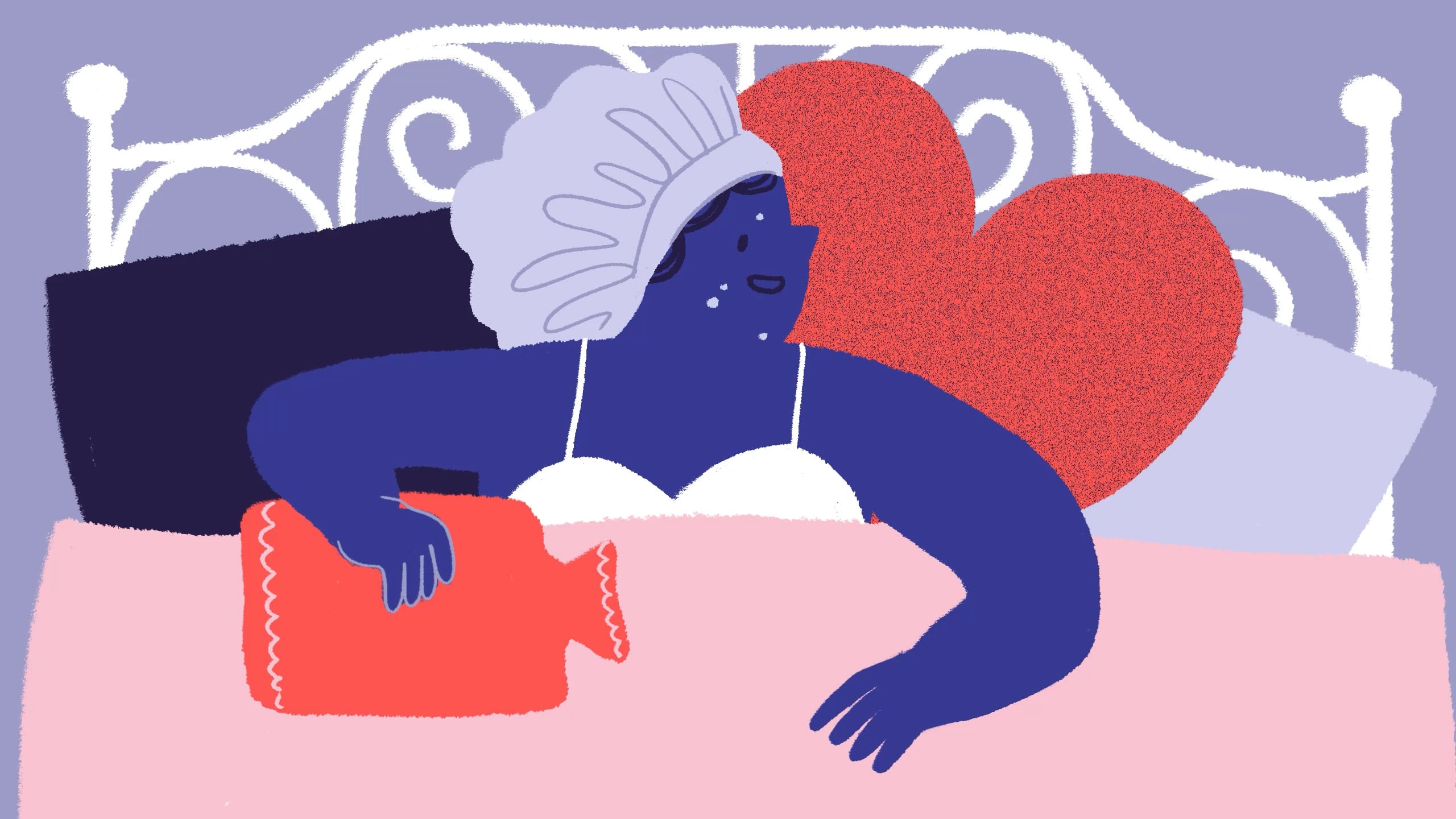
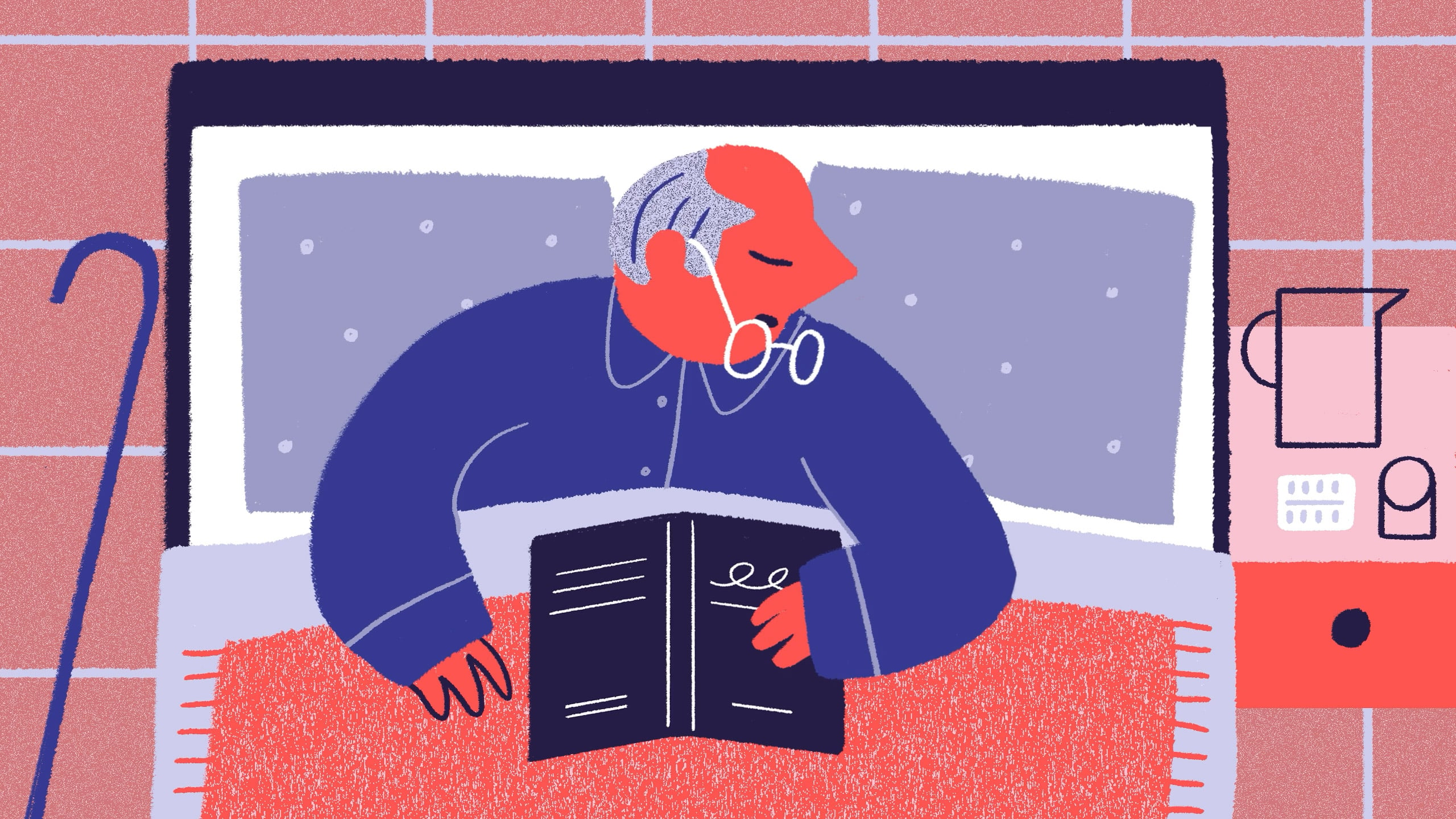
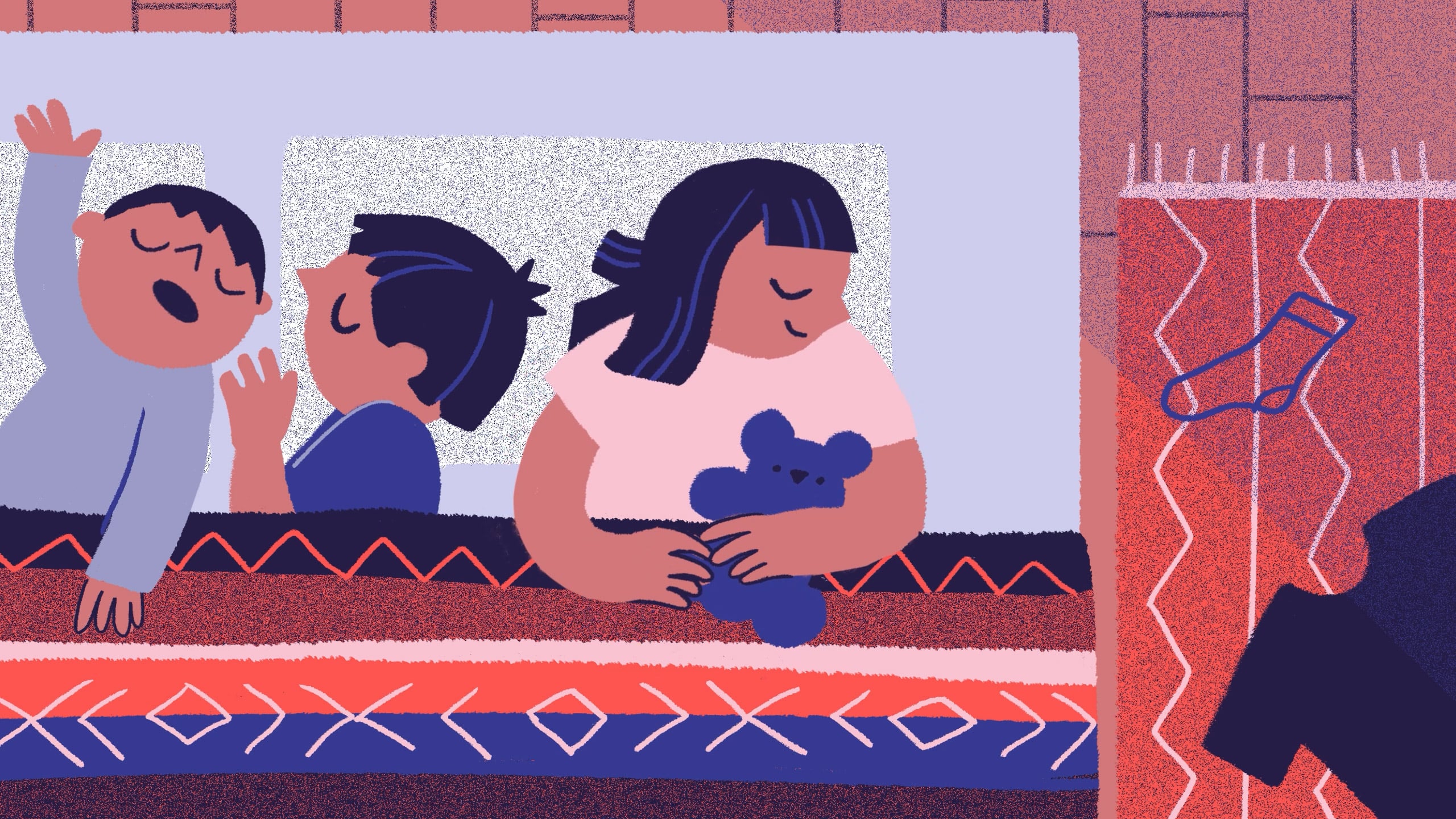
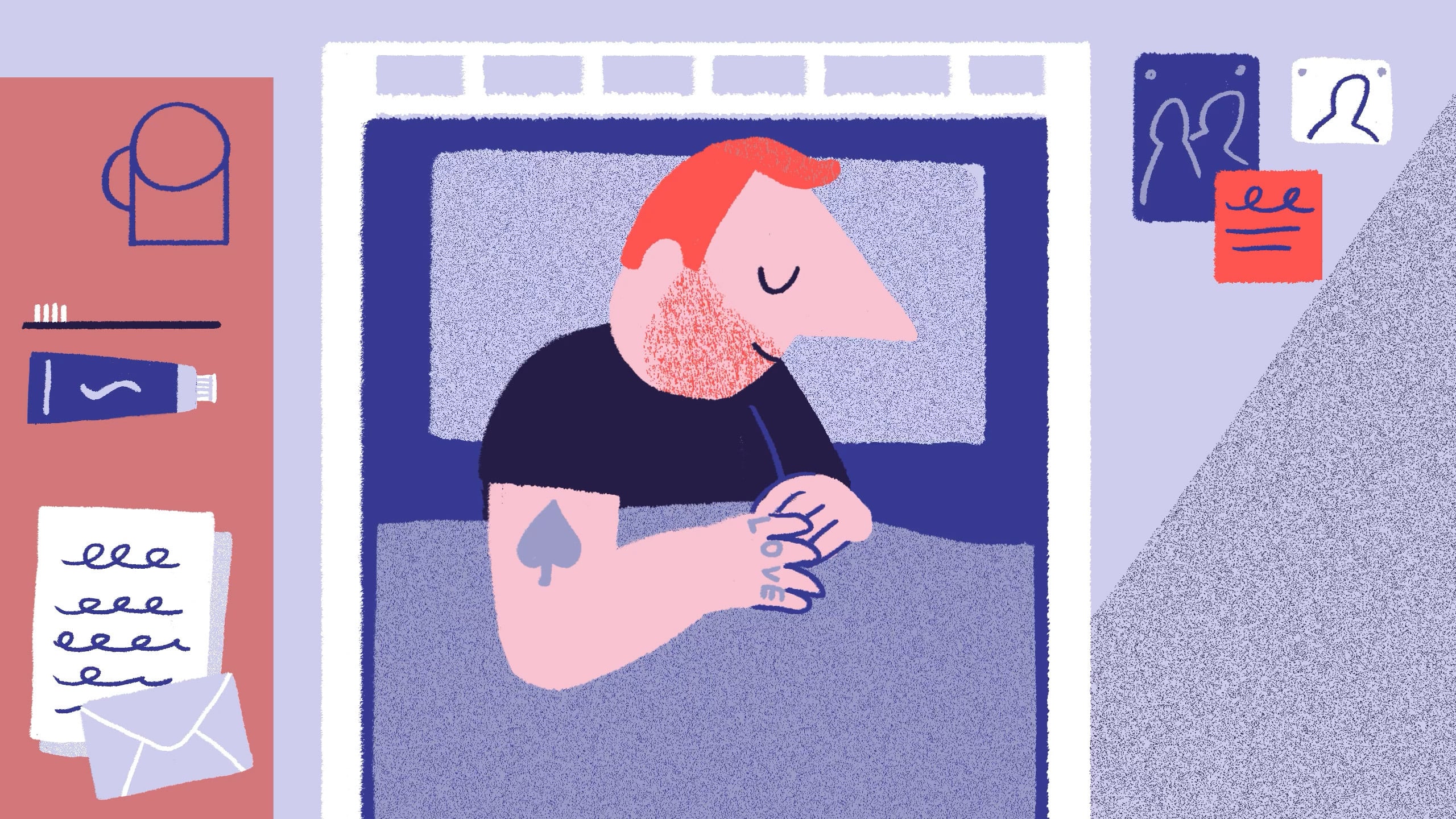
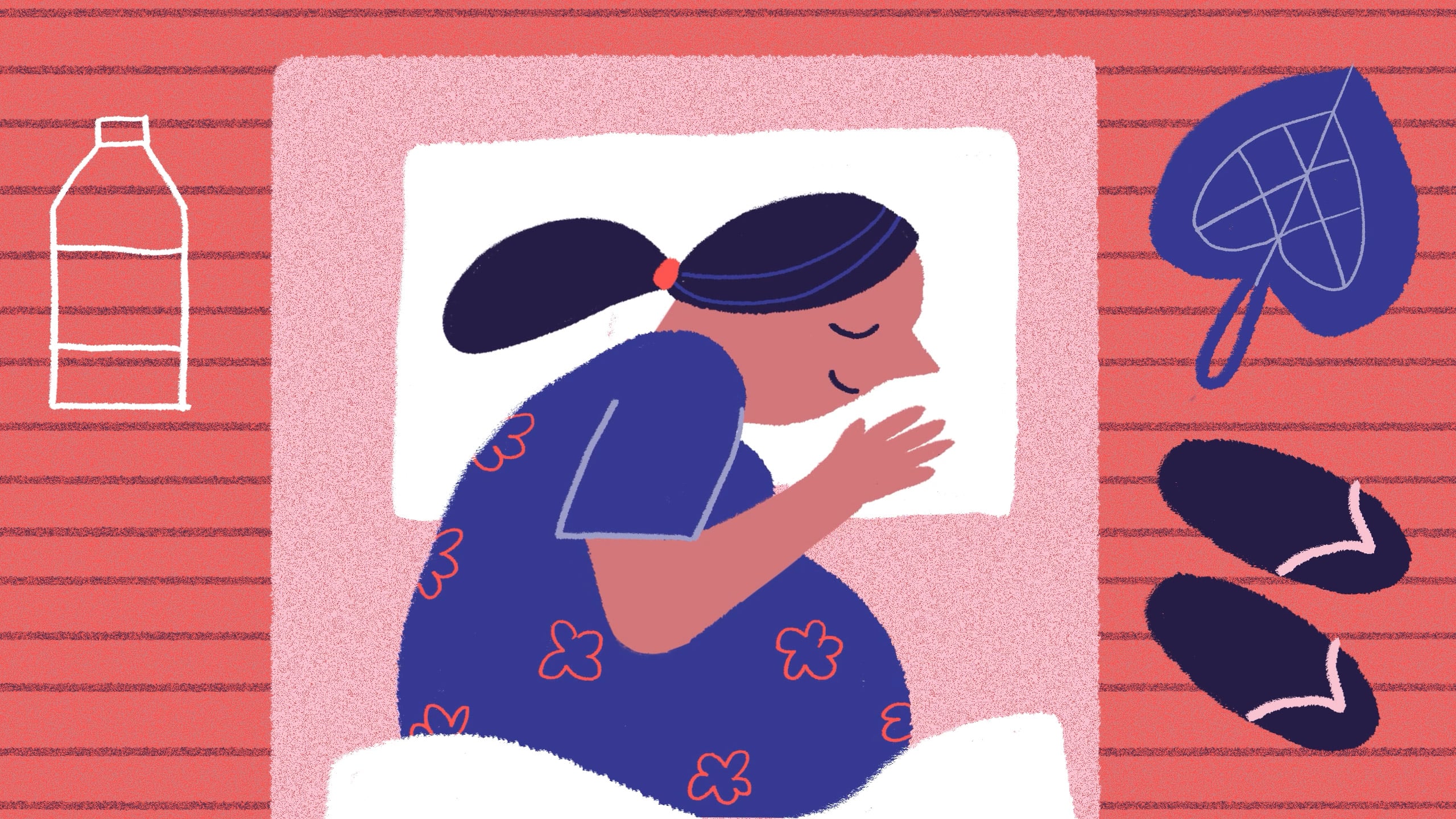
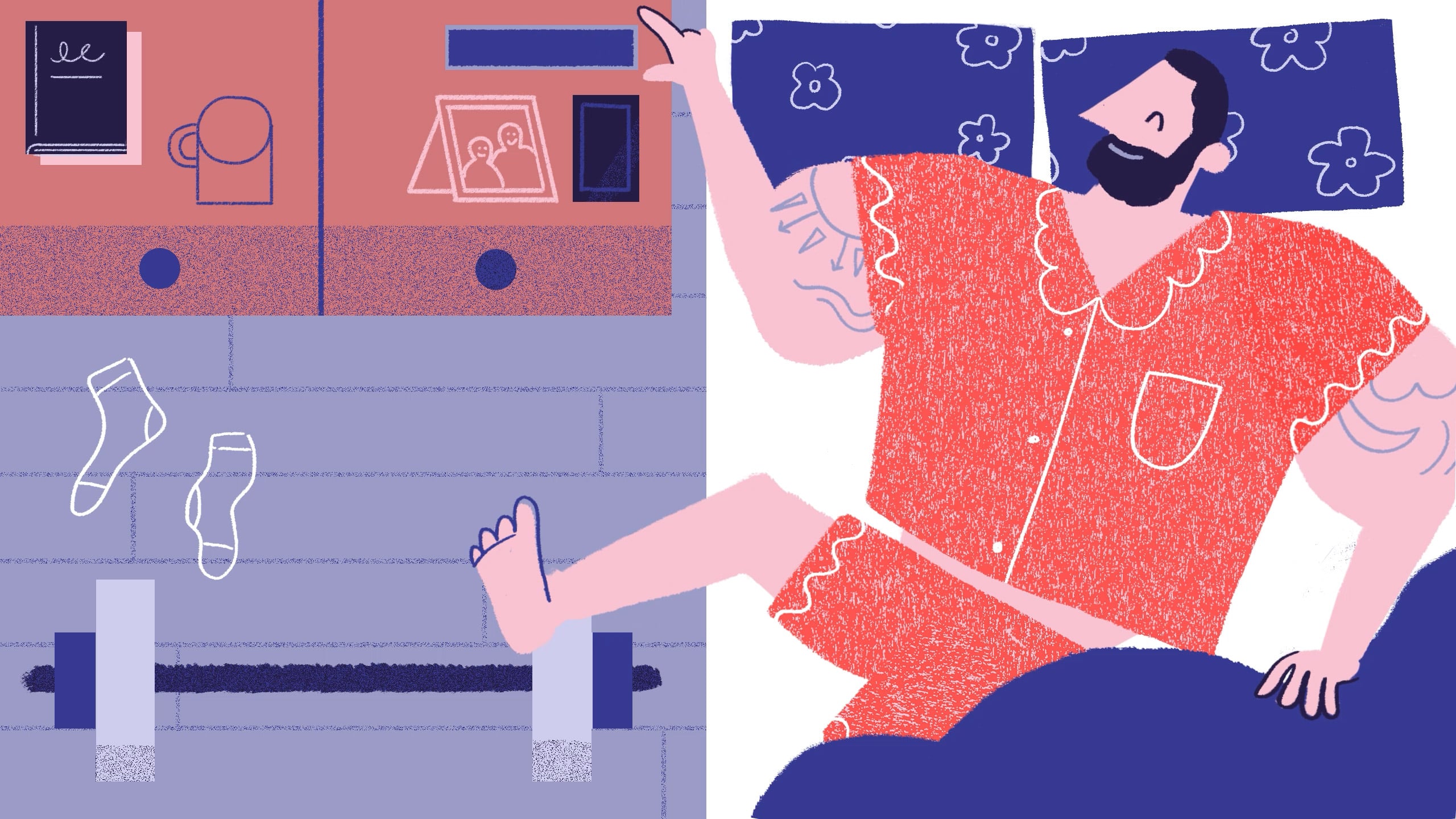
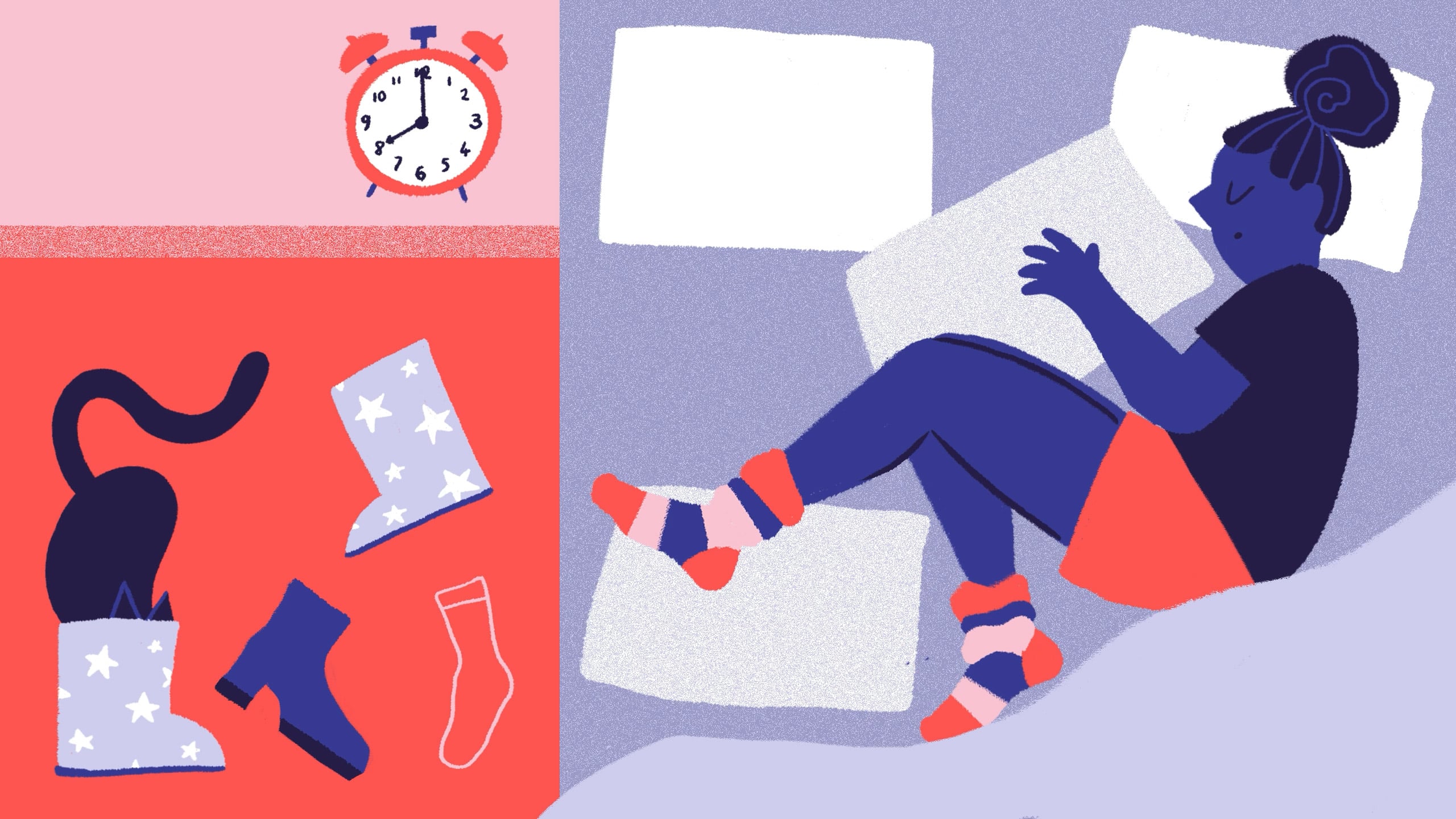
The animation gave Colin a way to start conversations about his research, not just explain it. The BBC picked up the story and featured the animation on BBC Breakfast, where it reached 6.5 million viewers. It also became part of a wider media pack, giving Colin more visual content to share alongside the research.
For Colin, that's the real value of presenting research visually: people watch, get curious, and go looking for more.
We were able to build more information around it so that people listen to the animation, watch it for over two and a half minutes. They're then inspired to look into this a bit more.
Professor Colin Espie, University of Oxford
The project provided the perfect bookend to Colin’s illustrious career in sleep medicine; allowing him to distil decades of research into a format that could reach and benefit millions of people. We wish him a happy and, of course, deeply restful retirement!
.png)
Poor communication costs billions. Scriberia’s Dan Porter explores the hidden price of misalignment — and how visual thinking helps teams stay clear and connected.
Scriberia created an animated campaign for Fairer Share, helping explain their call for a fairer property tax system and boosting public engagement.
.webp)
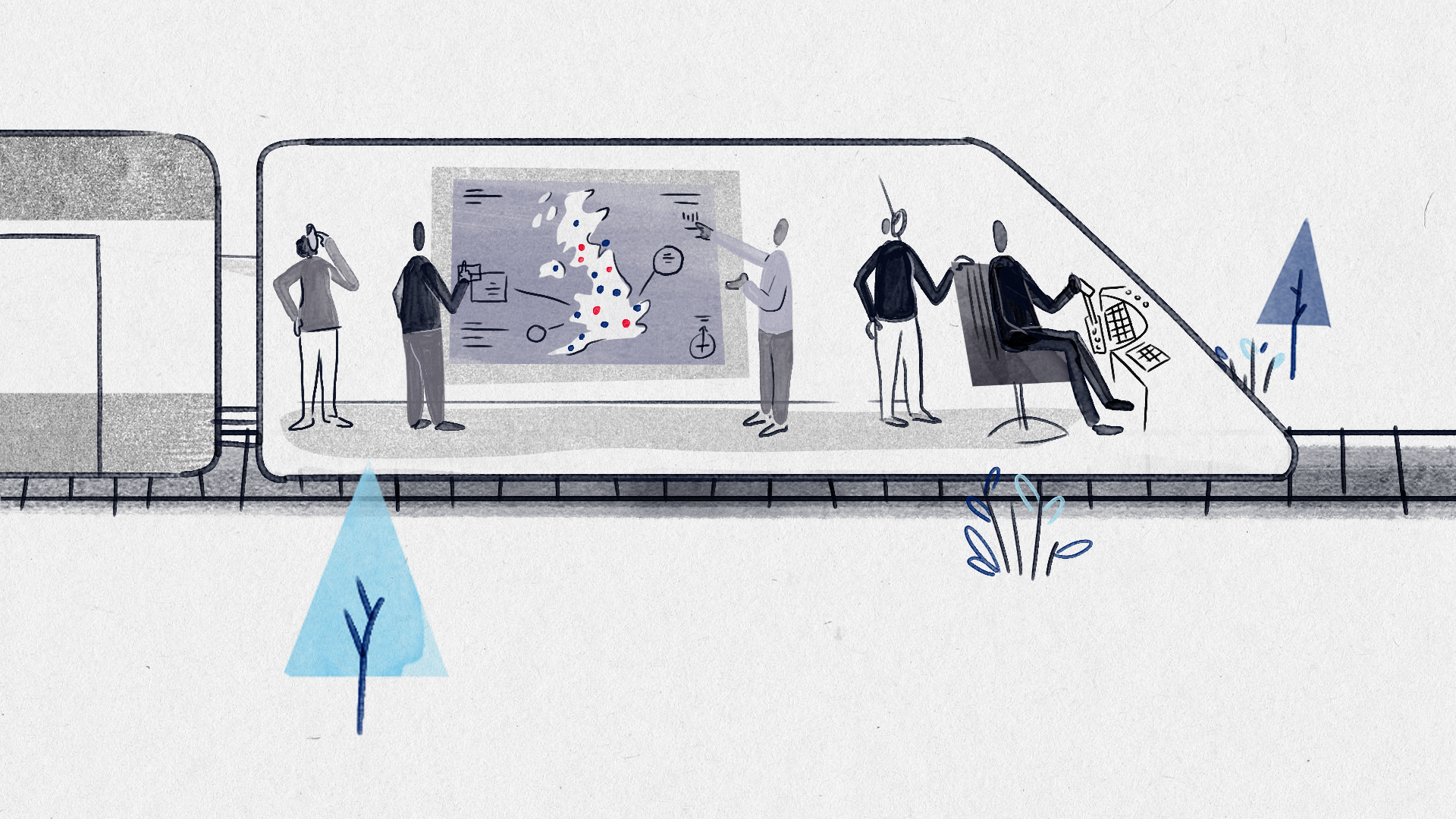
Scriberia helped Network Rail visualise its Water Management Strategy, turning complex climate goals into a clear, award-winning communication tool.